

Toe-Box Shape Is Not the Same as Wide Sizing
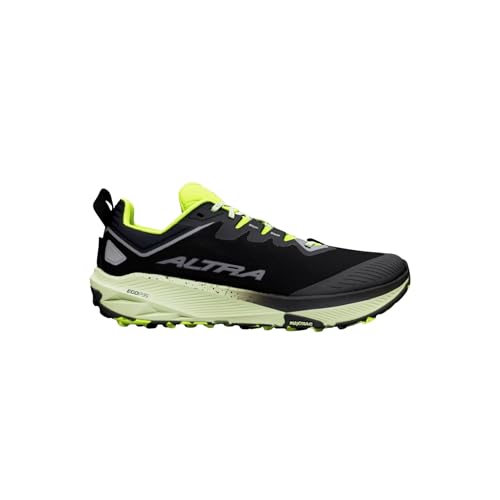
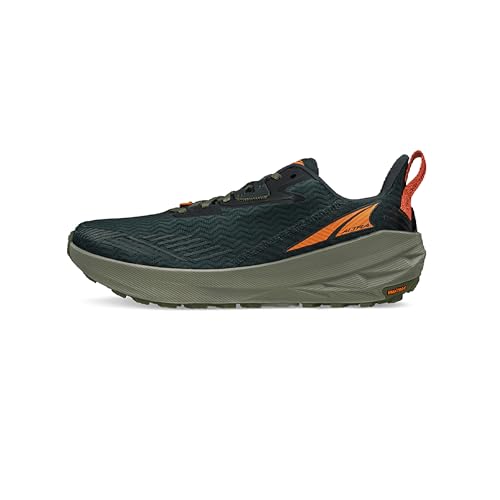
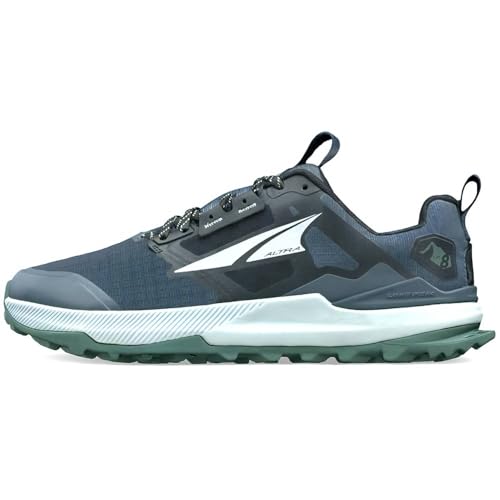
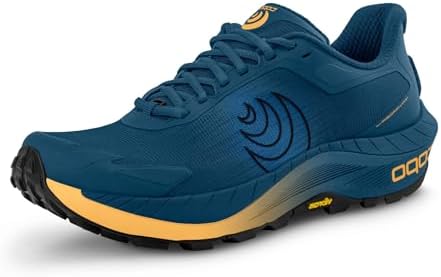
Some shoes use a rounded or foot-shaped forefoot in standard width. Others taper sharply even in wide sizes. A labeled wide version often adds girth through several parts of the last, not only around the toes. That can solve midfoot pressure but may loosen a narrow heel. Product photos help reveal taper, yet height and circumference cannot be judged from above. Compare size charts, available widths, and the brand's last description, then try the shoe. Avoid describing every anatomical forefoot as a wide shoe. The useful question is where your foot needs space: toe splay, metatarsal circumference, instep height, or the entire platform. Different problems require different shapes.
Why Feet Need More Room Late in a Run
Feet commonly change volume during sustained exercise due to heat, fluid movement, and repeated loading. Long descents also drive toes forward. A shoe that feels exact at breakfast can become restrictive after several hours. Allow appropriate length and forefoot volume without jumping automatically to a longer size. Extra length may create flex in the wrong place and permit sliding. Try footwear later in the day after ordinary activity, wearing the socks intended for the trail. Compare both feet because small differences are normal. The larger foot should guide sizing. If toes contact the front on an incline or the upper presses the little toe at rest, swelling will not improve the situation.
Heel and Midfoot Hold Preserve Precision
Forefoot freedom works only when the foot is anchored behind it. The heel should stay seated on climbs and the midfoot should resist side-to-side motion on angled ground. Lacing can adjust volume within limits. A runner's loop may improve heel hold, and skipping an eyelet can relieve localized instep pressure, but neither fixes a fundamentally incompatible last. Check whether the upper stretches over the platform during a lateral load. If the foot shifts before the outsole, the shoe may feel vague even though toe comfort is excellent. Seek a design shaped like your foot: secure at the waist, stable beneath the metatarsals, and open enough for natural toe alignment.
Continue this topic: Wide Trail Running Shoes: Find Real Width Without Losing Control.
Match Forefoot Width to the Outsole Base
A roomy upper placed over a narrow sole can let the foot overhang the support area. Look underneath and compare the forefoot platform with the space inside. A broad base improves stability when toes spread and when landings occur near the edge. Foam should not collapse suddenly beneath the outside metatarsals. Perimeter rubber also matters because traction must extend to the area carrying load. On technical trails, a very voluminous toe box can reduce precision if the foot moves before the shoe responds. On smooth ultras or hiking routes, extra room may be welcome. Match the degree of space to terrain and pace rather than pursuing maximum width as a universal benefit.
Use a Repeatable At-Home Fit Check
Wear the complete setup indoors on a clean surface. Stand with full weight, spread the toes, and confirm that no toe rides over another or pushes hard against the side. Check length on a ramp or stair, keeping the heel seated while the foot points downhill. Walk laterally and notice whether the upper contains the foot. Remove the insole and stand on it as a rough visual check, but remember that the upper's volume and shape still matter. Inspect pressure marks after ten minutes. Numbness, tingling, or obvious bulging indicate a problem. Do not assume break-in will create major structural width; trail uppers designed for hold may relax only slightly.
Account for Socks, Insoles, and Orthotics
Thick socks consume volume, while thin technical socks reveal more upper space. An aftermarket insole can raise the foot and narrow the usable toe box even when its outline fits. Orthotics may change heel seating and where the shoe flexes. Bring these items to the fitting rather than testing the stock configuration and changing it later. Ensure the replacement insole lies flat and does not curl at the edges. If a prescribed device is involved, follow the clinician's guidance and verify compatibility. Gaiters can also tighten around the forefoot depending on their attachment. The shoe should accommodate the actual system without requiring excessive lacing pressure or an oversized length.
Recognize When Shape Is Not the Problem
Forefoot discomfort can also come from short length, low vertical volume, an insole edge, tight socks, or lacing pressure. A wider outline will not automatically correct those causes. Remove the insole and inspect where the foot sits, then compare pressure above and beside the toes. If numbness or pain persists across appropriate sizes, stop guessing from labels and seek qualified fitting or medical help. The value of a toe-box category is specificity: it addresses taper and spread. Using it for every fit complaint can lead to a loose shoe while the original pressure remains. Diagnose the location before changing the last. Compare standing comfort with downhill movement, because a shape that feels generous on level ground may still be too short or too shallow after the foot slides forward.
Final Verdict
Choose a wide toe box when the forefoot needs shape-specific room, especially as distance and swelling increase. Choose a true wide size when the foot needs more circumference through broader regions. The best trail fit combines toe alignment, downhill length, a held heel, a shaped midfoot, and an outsole base that supports the available space. More room is not automatically healthier or more stable; uncontrolled volume can blur technical movement and create friction. Test the shoe under lateral load and on an incline, then introduce it on familiar terrain. If toes remain relaxed while the rearfoot stays centered through climbs and descents, the extra width is serving its purpose rather than merely making the shoe feel large.
People also ask
Questions that extend this decision
Are wide toe box shoes better for trail running?
They are better for runners whose forefeet need that shape. Toe spread can improve comfort, particularly over long distances, but the heel and midfoot must remain secure. A narrow-footed runner may find excessive volume imprecise on technical terrain.
Is a wide toe box the same as a wide shoe?
No. A wide toe box describes forefoot shape, while a wide size often adds circumference through multiple areas. Some standard-width shoes have anatomical toes, and some wide models still taper. Fit the location of the need rather than the label.
How much toe room should trail shoes have?
There should be enough length for downhill movement and enough width for toes to lie naturally without side pressure. A thumb-width is a common starting estimate, not a rule. Heel security and flex-point alignment determine whether that space is usable.
Can a toe box be too wide?
Yes. If the forefoot slides before the outsole responds, control suffers and friction may increase. Excess width can be especially noticeable on cambers and fast descents. The desired fit allows toe movement while keeping the foot centered over the platform.
Do feet swell during trail runs?
They often increase in volume during long or hot efforts. Repeated descents also move the foot forward. Try shoes later in the day with intended socks, and leave appropriate room without adding unnecessary length that destabilizes the fit.