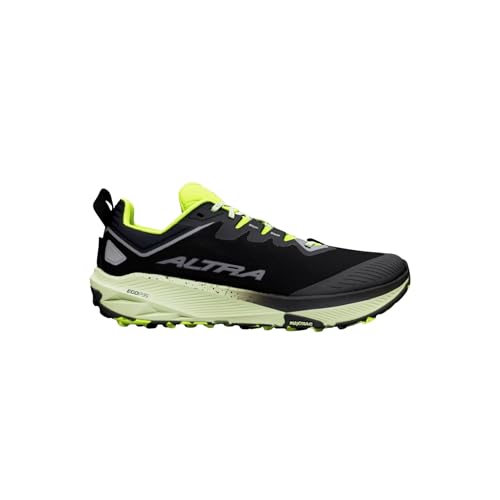
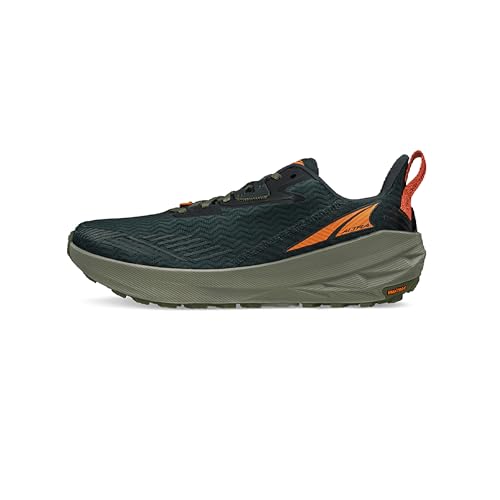


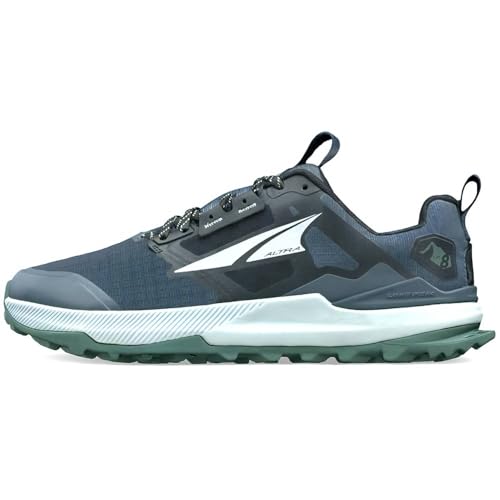
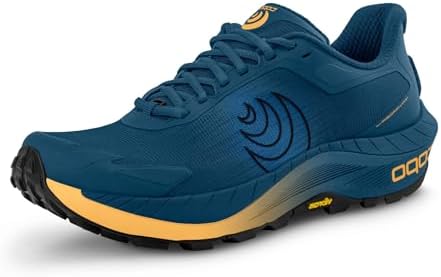
Width is not one measurement
Two runners can both call their feet wide and require opposite shoes. One may have a fan-shaped forefoot with a narrow heel. Another may be broad through the midfoot, while a third needs vertical space over a high instep. Standard size systems reduce these shapes to a length and width code, but the internal last remains three-dimensional. Begin by reading your current footwear. Redness at the little-toe joint suggests taper or insufficient forefoot width. Pressure beneath the laces may indicate volume. An upper bulging beyond the sole shows that stretch is masking a narrow platform. Heel slip points to excess rear volume or the wrong cup. Describe the location before shopping. It is easier to find real width when you know which part of the shoe must change.
Distinguish a wide size from a roomy toe box
A wide size generally increases circumference around some portion of the last, though brands apply the change differently. A roomy or anatomical toe box can flare at the front while preserving a standard midfoot and heel. That arrangement suits toes that splay but will not necessarily accommodate a broad arch area. Conversely, a conventional wide shoe might offer useful midfoot space while still tapering near the toe tips. Product pages often blur the terms, so reviews should identify both. If possible, compare the regular and wide insoles as a rough clue, then test the complete shoes. An insole shows the footprint, not upper height, heel shaping, or how securely the foot stays on the platform.
Look beneath the upper for support
Stretchy mesh can make a shoe feel accommodating while the midsole remains too narrow. When the foot spills over the edge of the platform, side slopes and rocks may feel uncertain because the support does not extend under the full forefoot. Stand in the shoe and feel for the outside edge of the base. The big- and little-toe joints should not be balanced over a lip. A broad base is not automatically clumsy; shape, beveling, and flex determine how it moves. Wide-foot runners should also inspect outsole coverage, because an expanded platform with minimal rubber can behave differently on abrasive terrain. Comfort above and support below must agree. Real width is structural, not simply an upper that tolerates being stretched.
Continue this topic: How to Find a Wide Toe Box Without Losing Trail Control.
Preserve heel and midfoot security
Toe freedom loses its value when the foot slides inside the shoe. On a downhill, poor heel hold sends the toes into the bumper. Across a slope, excess midfoot volume lets the foot roll over the base. Lace in zones: comfortable tension across the forefoot, firmer wrapping through the middle, and a runner's loop at the ankle if needed. These adjustments fine-tune a close match; they should not require painful pressure. Some wide models enlarge the whole shoe and create a loose heel, while anatomical designs may solve that by keeping a shaped rearfoot. Test quick turns and side steps. The correct wide fit feels spacious where you need it and uneventful everywhere else.
Do not use extra length as your first fix
Sizing up can move the shoe's widest point forward without adding room at the pressure point. It may also change where the shoe flexes and introduce heel lift. Choose more length when the longest toe lacks front clearance and the larger size still controls the foot. Choose a wide last when side pressure crosses the ball or midfoot. Choose a higher-volume model when the top of the foot feels compressed. For runners with one larger foot, fit that side and tune the smaller one carefully. Thick socks are a poor universal volume reducer because they add heat and may crowd the toes you were trying to free. Solve the dimension that is wrong instead of making every dimension larger.
Select tread and foam after fit passes
Wide-foot shopping can become so focused on shape that terrain gets forgotten. A roomy road-to-trail shoe may not provide the mud traction you need; a wide soft-ground model may feel unpleasant on daily pavement. Once fit candidates are identified, sort them by outsole. Hardpack favors moderate tread, mud favors depth and open spacing, and rocky routes demand rubber and protection suited to hard irregular surfaces. Then compare platform control. Very soft high-stack foam can magnify lateral movement, while an overly rigid shoe may not conform comfortably. Wide runners do not automatically need maximum stability or cushioning. They need a complete shoe whose traction and ride match the route without sacrificing the hard-won fit.
Run an evidence-based try-on
Use the socks and insoles you will run in, and test later in the day if your feet commonly gain volume. After several minutes, remove the shoes and check for focused red marks. Face down a safe incline and press forward; toes should remain clear. Turn sharply and make a lateral step; the foot should not shift toward the edge. Rise onto the toes to expose heel lift and excessive forefoot pressure. Compare at least two shapes, not only two lengths of one model. If purchasing remotely, confirm the width notation carefully because a listing can combine standard, wide, and extra-wide inventory in confusing ways. Keep packaging and soles clean until fit is settled.
Final Verdict
The best wide trail running shoe creates room in the correct location and retains control everywhere else. Identify whether the need is toe shape, whole-foot width, or vertical volume. Confirm that the midsole supports the foot instead of asking mesh to stretch over a narrow base. Then test heel hold, downhill clearance, and lateral security before comparing tread or cushioning. A longer shoe is not a dependable substitute for a wider one, and a famous roomy brand is not proof that a particular model fits. When the shape, platform, and upper work together, width stops being the main sensation. The result should feel secure enough for uneven ground and spacious enough that the foot never has to fight the shoe.
People also ask
Questions that extend this decision
Are wide trail running shoes the same as wide-toe-box shoes?
No. Wide sizing may add circumference through the midfoot and forefoot, while a wide toe box can flare only at the front. Choose according to where your foot is broad and verify the platform underneath that space.
Should I buy a larger size if my trail shoes feel narrow?
Only when length is also insufficient. If the toes have front clearance but the sides feel compressed, try a wide width or different last. Added length can create sliding without relieving the actual pressure.
Can a wide trail shoe be unstable?
Yes, when extra upper volume permits movement or the sole is narrower than the foot. A broad supported platform with precise heel and midfoot hold can be very stable; loose internal space is the problem, not width itself.
Do waterproof trail shoes fit more tightly?
Some membrane versions feel less flexible or lower in volume than their mesh counterparts, but construction varies. Test the waterproof shoe in the intended width and with winter socks rather than assuming identical fit.
What if my forefoot is wide but my heel is narrow?
Look for an anatomical forefoot paired with a shaped heel, then use zoned lacing or a runner's loop. Avoid models that add equal volume everywhere unless the rearfoot can still be secured comfortably.