

Why hikers choose trail runners
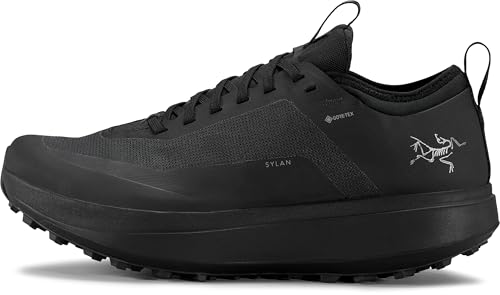
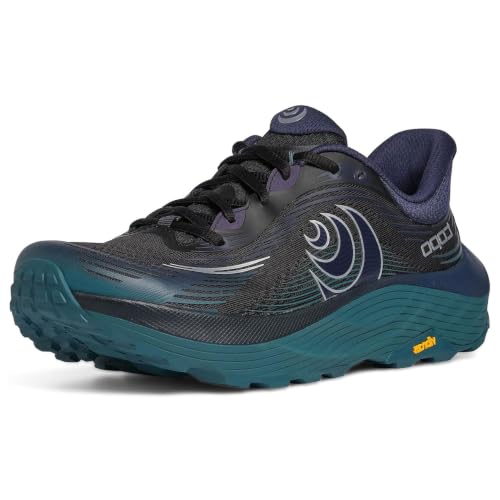
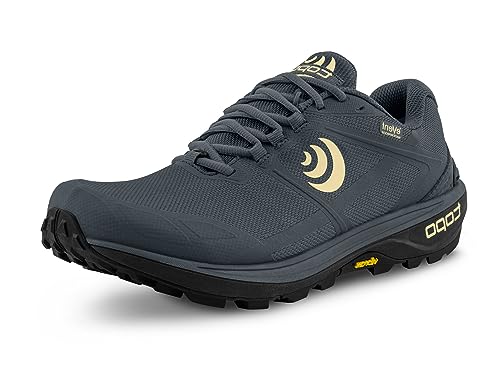
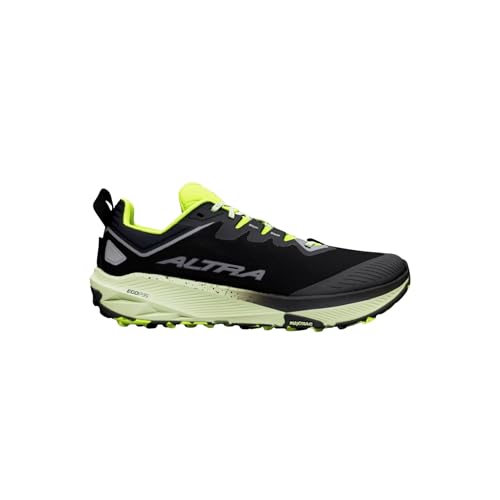
Low weight, flexible movement, immediate comfort, and breathable uppers make trail running shoes appealing for hiking. A lighter shoe may feel less tiring over thousands of steps, and the outsole is designed for dirt, roots, gravel, or rock rather than a city sole. Many models need little traditional break-in. These benefits are most obvious on maintained trails, day hikes, and trips where the hiker carries a modest load. They do not make every trail runner suitable. A road-to-trail model may lack bite in mud, while a mountain racing shoe may fit too precisely for relaxed walking. The right crossover begins with a hiking route, not a general belief that lighter footwear is always better.
Where hiking footwear keeps an advantage
Hiking shoes and boots often use more durable uppers, protective randing, stiffer platforms, and construction intended for repeated abrasion or load carrying. Boots can add warmth, higher coverage, and resistance to debris or shallow snow entering from above. A trail runner may wear faster under heavy packs or rough scrambling, and its soft foam can feel less supportive to some hikers when loaded. Ankle height does not guarantee prevention of twists, yet the overall structure and coverage can still be preferred in severe conditions. Choose the amount of protection and support based on pack weight, terrain consequences, weather, and personal experience rather than a simple low-versus-high rule.
Match outsole to hiking pace and surface
A hiking pace changes how an outsole is loaded, but the same terrain logic applies. Deep spaced lugs help on soft mud. Sticky rubber and stable contact matter on slab and rock. Moderate tread suits hardpack and gravel. Check heel braking because hikers may descend slowly with sustained load. A soft running outsole that grips well can wear quickly on abrasive rock, while hard durable rubber may feel less secure on wet surfaces. Approach shoes, hiking shoes, and trail runners occupy overlapping territory with different priorities. Select for the hardest regular section of the hike and accept that excellent mud traction may feel clumsy during long paved approaches.
Continue this topic: Can You Hike in Trail Running Shoes? A Terrain-by-Terrain Answer.
Fit for walking time and downhill load
Hiking can keep feet in shoes for many hours even when the pace is lower. Leave toes clear of the front during a downhill stance and make room for the socks you actually wear. Secure heel hold remains important because repeated lift creates friction. Under pack load, a very soft or narrow platform may feel less controlled. Test the shoe with a representative pack on stairs or a safe incline, not only unweighted in a store. If using trekking poles, do not let them excuse a loose fit. The shoe should remain stable before equipment is added. Long toe room is not useful when poor lockdown sends the foot forward on every descent.
Decide between drainage and waterproof warmth
Breathable trail runners can dry relatively quickly after shallow crossings and release heat during warm hikes. Waterproof versions resist damp vegetation and slush while adding warmth, but water entering over the collar may linger. Hiking speed can produce less airflow than running, which some people notice in membrane footwear during mild conditions. Gaiters can help keep debris and snow away from the opening. Evaluate temperature, water depth, and exposure duration. A dry-climate thru-hiker and a cold-weather day hiker reasonably choose different systems. Neither membrane nor mesh removes the need for socks that fit the shoe and manage moisture comfortably.
Recognize routes that call for more shoe
Heavy packs, long talus crossings, off-trail bushwhacking, deep snow, sustained scree, and routes with repeated sharp edge contact can justify hiking footwear with greater structure and protection. Remote travel raises the consequence of torn uppers or exhausted foam. A trail runner may still work for an experienced hiker who understands the tradeoff, but it should not be recommended as a universal substitute. Consider foot fatigue as well as outsole grip. If the platform folds around every stone under load or the upper allows the foot to spill sideways, the weight savings are no longer the only story. Footwear should match consequence, not fashion.
Test the crossover close to home
Begin with a familiar day hike and a moderate pack. Check toe clearance on descents, underfoot comfort over rock, upper hold on side slopes, and traction after the surface changes. Inspect the outsole and upper afterward for unusual wear. Increase distance or load gradually rather than taking a new lightweight pair immediately into remote terrain. If an existing road-to-trail shoe works well on easy hikes, that does not prove it will manage a rocky backpacking route. Use each test to define the footwear's ceiling. A clear limit is useful information and allows the shoe to remain a good tool within its range.
Final Verdict
Trail running shoes can be excellent hiking footwear for maintained trails, day trips, and fast travel with modest loads. Their low weight and flexible ride are genuine benefits, not proof that boots are obsolete. Compare traction, platform control, upper durability, weather protection, and pack demands before substituting them for hiking shoes. Test downhill fit with the actual socks and a representative load. When the route becomes remote, heavily loaded, deeply snowy, or relentlessly abrasive, greater structure may be worth the weight. The best choice respects the hike's consequences and your experience rather than turning footwear preference into a rule for every trail.
People also ask
Questions that extend this decision
Can trail running shoes replace hiking boots?
Sometimes, especially for day hikes and light loads on maintained routes. Boots or hiking shoes may remain preferable for heavy packs, deep snow, rough off-trail travel, or greater protection and durability.
Are trail runners good for backpacking?
They can be for experienced hikers carrying light loads, but soft foam, upper durability, and protection should be considered. Test the exact shoe under representative pack weight before a remote trip.
Do trail running shoes provide ankle support?
Low-cut trail runners do not provide the same coverage or structure as many boots. Overall stability also depends on fit, platform, strength, terrain, and load, so collar height alone does not settle the decision.
Are waterproof trail runners best for hiking?
They suit cold shallow moisture and wet vegetation. Breathable shoes may be more comfortable in heat and after deep crossings. Choose according to temperature, water entry, and expected drying opportunities.
Do trail running shoes wear out faster than hiking shoes?
Often they use lighter uppers and softer midsoles, but lifespan varies widely. Abrasive terrain, pack weight, outsole compound, construction, and care determine whether a particular trail runner wears faster.