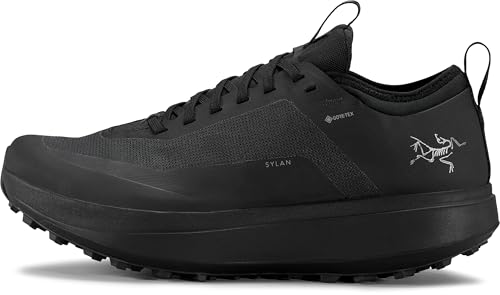


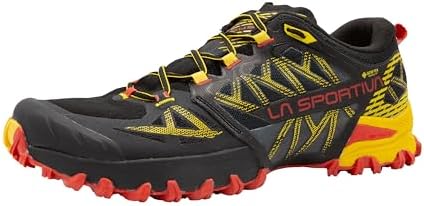
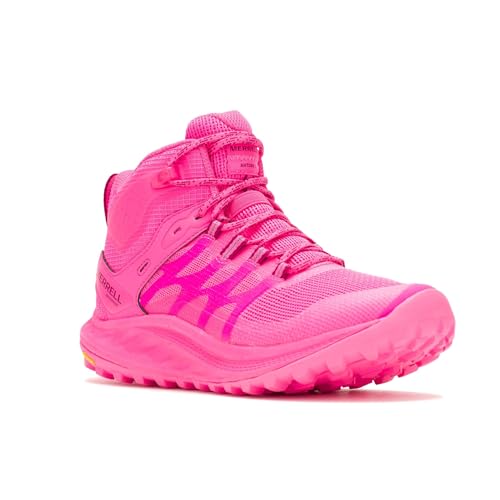

Define what waterproof can realistically do
A waterproof trail shoe uses a membrane or barrier in the upper to resist outside water. It can keep shallow splashes and wet grass from soaking socks quickly, but it remains a low-cut shoe with a large opening. Water that reaches above the collar can enter from the top, and moisture generated inside still has to move outward. The useful question is not whether the shoe can survive a laboratory puddle. It is whether your common exposure stays below the opening and occurs in temperatures where reduced airflow is acceptable. A cold hour through saturated vegetation differs from a warm race with repeated creek crossings. Both are wet, yet they reward opposite strategies. Treat waterproofing as a boundary with limits, not a guarantee of permanently dry feet.
Cold changes the value of a membrane
In near-freezing rain, shallow snow, or windy slush, reduced airflow can help feet feel warmer. Preventing the first wave of outside moisture may matter more than rapid drying because evaporation is slow and cold water can be uncomfortable. Winter socks and gaiters can extend the system by managing warmth and reducing snow entry, though they also consume shoe volume. A waterproof model should be tested with that exact setup. Do not oversize blindly for thick socks; excessive internal movement creates friction and poor control. When the outing combines prolonged submersion or water above the collar, even a membrane system reaches its limit. At that point, drainage, sock choice, and a plan for staying warm become at least as important as the upper.
Warm rain rewards a different strategy
During mild or hot weather, the foot produces heat and sweat before rain becomes the only concern. A membrane slows airflow compared with open mesh and can create a humid interior. If water eventually enters from the ankle, it may escape slowly. A breathable shoe accepts that the foot will get wet, then aims to drain and dry as conditions permit. This approach is often more comfortable for stream crossings, summer storms, and races where avoiding water is impossible. Quick draining does not mean instant dryness, and wet socks still require attention. The distinction is about managing moisture over the whole outing rather than winning the first puddle. Runners with very sweaty feet may notice the membrane tradeoff even before external rain begins.
Continue this topic: Waterproof vs Drainage: Which Trail Shoe Strategy Keeps You More Comfortable?.
Traction is not included in the word waterproof
A dry upper cannot compensate for an outsole that mismatches the surface. Wet rock depends heavily on rubber behavior and contact, while mud requires lugs that penetrate and release soft soil. Snow may call for deeper tread, and hard ice can exceed the ability of ordinary rubber regardless of upper construction. Compare the waterproof shoe's outsole as if the membrane were absent. Some waterproof editions share tread with the standard model; others belong to a broader winter package. Also check platform control, because slick conditions magnify internal sliding. A secure heel and midfoot help the outsole land where intended. Weather protection and traction are separate filters, and both must pass.
Expect the fit to change between versions
Adding a membrane and its supporting layers can change flexibility, seam placement, toe-box height, and overall volume. The waterproof version of a favorite shoe may feel closer around the forefoot or stiffer at the crease. Winter socks further alter the equation. Try the exact model and edition instead of ordering the same size by habit. Check downhill toe clearance, because a stiffer upper can make contact more noticeable. Check heel hold with the planned sock, not a thin store liner. If the membrane creates pressure before the run, it is unlikely to become comfortable after swelling. Weather protection is useful only when the fit remains quiet for the duration.
Care for the barrier and the rest of the shoe
Mud and debris can reduce upper breathability and obscure damage, so brush the shoe gently after it dries and follow the manufacturer's cleaning directions. Remove insoles and laces when a deeper hand wash is appropriate, then air-dry away from radiators, dryers, and direct high heat. Heat can affect adhesives and materials. Some outer fabrics use a water-repellent treatment that may eventually need renewal with a compatible product; that treatment is distinct from the underlying membrane. Inspect flex points and seams for wear. Never assume that a dirty or damaged shoe retains its original performance because the product name includes a waterproof acronym. Care preserves function, but it cannot repair a punctured barrier or worn outsole.
Use a conditions matrix instead of a yes-or-no rule
For cold drizzle, wet grass, shallow snow, and brief puddles, waterproof shoes are strong candidates. For hot humidity, recurring creeks, water above the collar, and runs where feet will inevitably soak, breathable drainage usually deserves priority. In moderate conditions, personal warmth and sweat levels can decide. Then layer in terrain: mud tread, wet-rock rubber, or winter traction. Finally, confirm the full fit with the intended socks and gaiters. This matrix prevents the common mistake of treating all wetness as one problem. It also explains why experienced runners can reach different conclusions without either being wrong; their climates, routes, duration, and temperature tolerance are different.
Final Verdict
Buy waterproof trail running shoes for a known pattern of cold, shallow, external moisture—not because waterproof sounds universally superior. They can delay wetting and preserve warmth in the right setting, while breathable shoes often handle heat, deep water, and drainage more gracefully. Judge the outsole independently, test the membrane version for altered fit, and remember that a low collar remains an entry point. A two-pair rotation can be sensible in climates with distinct seasons, but many runners are better served by one breathable generalist. The successful choice manages comfort across the entire run, including sweat and any water that gets inside, rather than promising an impossible sealed environment.
People also ask
Questions that extend this decision
Are Gore-Tex trail running shoes completely waterproof?
The membrane is designed to resist water, but the shoe has a collar opening and may have construction limits. Water can enter from above during deep puddles or crossings, so completely dry feet are not guaranteed.
Are waterproof trail shoes good for mud?
They can keep shallow splashes out, but mud performance depends on lug depth, spacing, rubber, and upper hold. A waterproof road-to-trail outsole may grip less effectively than a breathable shoe built specifically for soft ground.
Do waterproof running shoes cause blisters?
No shoe guarantees or causes blisters for everyone, but reduced airflow and retained moisture can increase friction for some runners. Correct fit, appropriate socks, temperature, and distance all influence the outcome.
Should winter trail shoes be a half size larger?
Only if the planned sock and swelling require additional space. Fit the complete winter system and verify that the larger shoe still holds the heel and midfoot. Extra length can create sliding on uneven ground.
Can waterproof trail shoes be used in summer?
Yes, but many runners find them warmer and less comfortable in heat. If summer routes include deep water or heavy sweating, breathable quick-draining shoes generally offer a more suitable moisture strategy.