
Salomon · Exact Amazon product
Product-first buyer collection
Light hiking crossover options and the limits of replacing hiking footwear.
Read the supporting guides ↓As an Amazon Associate, we may earn from qualifying purchases.
Salomon · Exact Amazon product
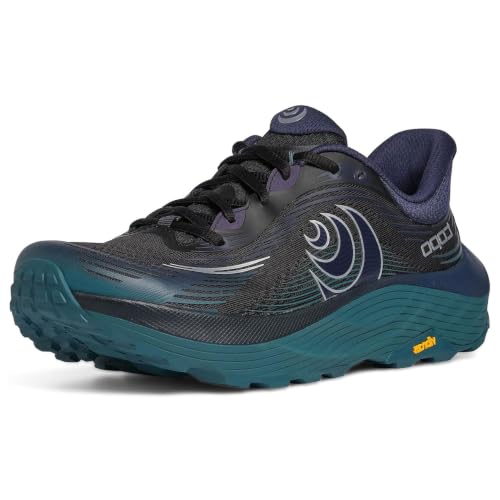
Topo Athletic · Exact Amazon product
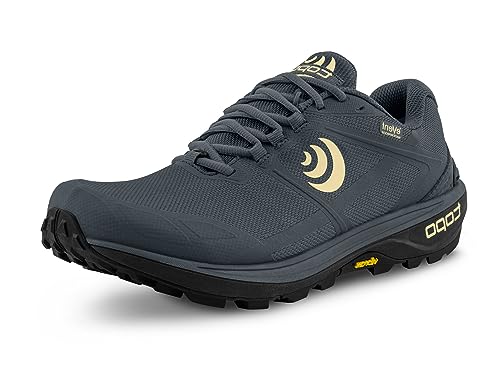
Topo Athletic · Exact Amazon product
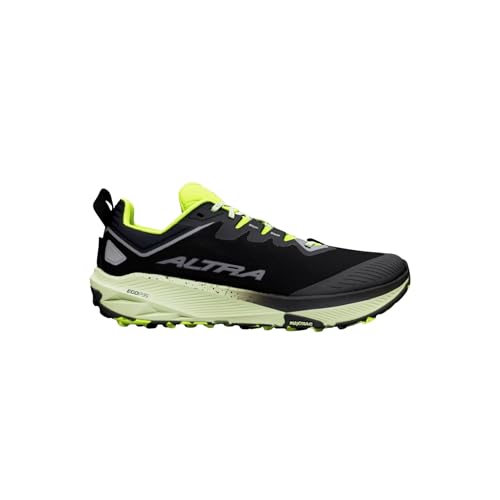 View on Amazon
  View on Amazon
 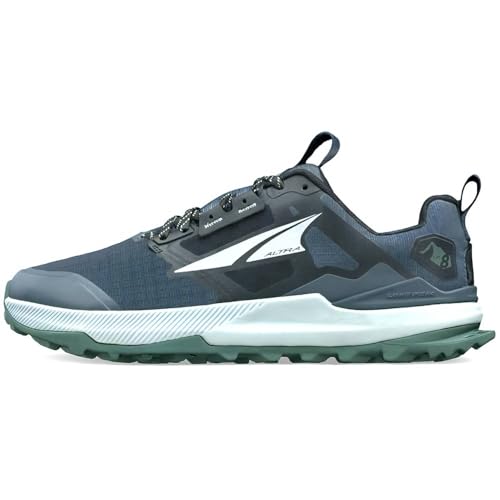 View on Amazon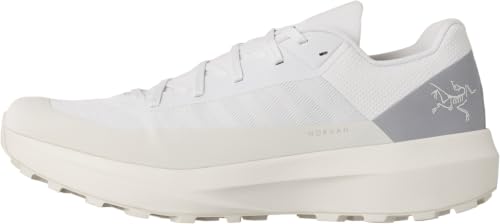
Arc'teryx · Exact Amazon product
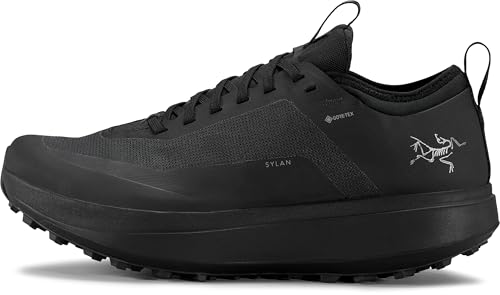
Arc'teryx · Exact Amazon product
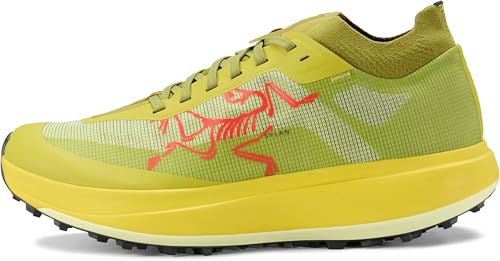
Arc'teryx · Exact Amazon product
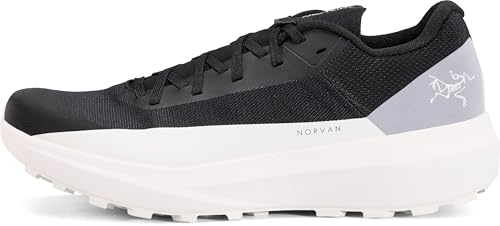
Arc'teryx · Exact Amazon product
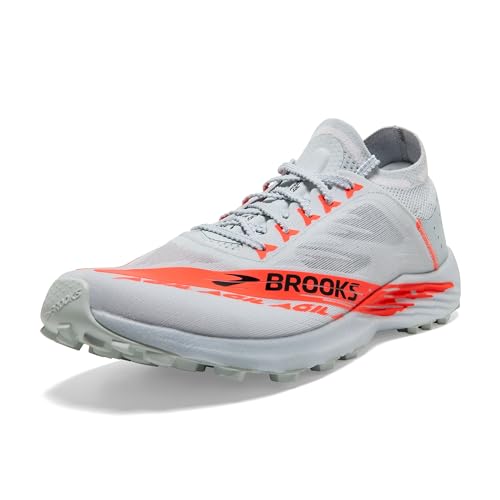
Brooks · Exact Amazon product
 View on Amazon
 Decision checkpoint
Trail runners can appeal for light hiking because they are flexible and easy to move in. The tradeoff becomes more important when the outing involves a heavier pack, sustained rough ground or conditions requiring specialized footwear.
Start with downhill toe clearance and heel security under your expected load. Do not assume that a running fit checked without a pack describes the hiking experience. A breathable upper may suit repeated wet crossings, while a membrane may make sense for cold, shallow moisture. The hiking guides compare these choices without treating trail runners as a replacement for every boot.
Topical support
Trail running shoes work well for many day hikes and fast, light trips when their traction fits the route and the pack is modest. They are lighter and often more flexible than hiking footwear, but may offer less durability, protection, warmth, and support under heavy loads or severe terrain. Choose by conditions and experience rather than category loyalty.
paaBegin with the routes that will account for most of the shoe's mileage, not the adventure you might attempt once. Smooth dirt, gravel, and paved connectors favor shallow or moderate tread. Rocky singletrack benefits from secure fit, durable rubber, and underfoot protection. Mud and soft soil call for deeper, widely spaced lugs. Wet slabs place more emphasis on sticky rubber than dramatic tread depth.
paaHeel-to-toe drop is the difference in height between the heel and forefoot inside a shoe. A 6 mm shoe places the heel about 6 mm higher than the forefoot; it may still be highly cushioned or relatively low to the ground. The most useful starting point is the drop you already run in comfortably, followed by a gradual comparison if you want something different.