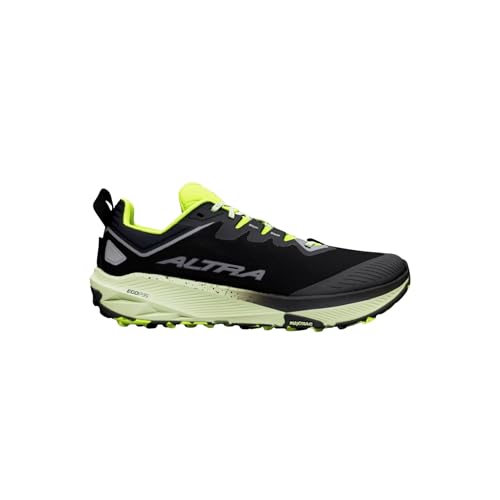
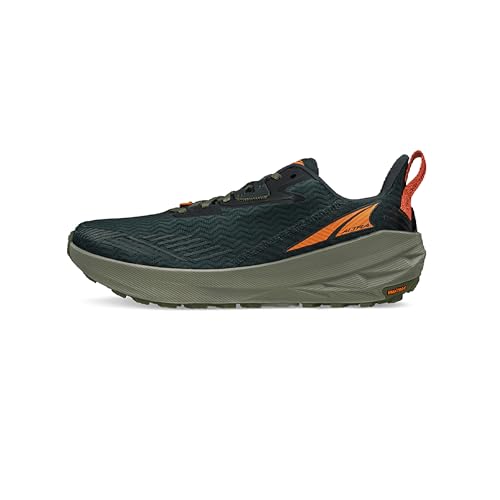

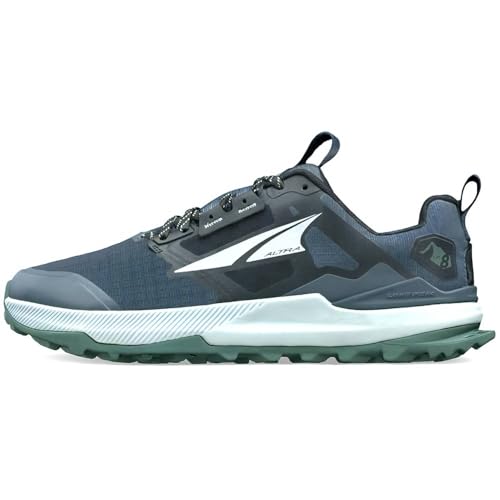
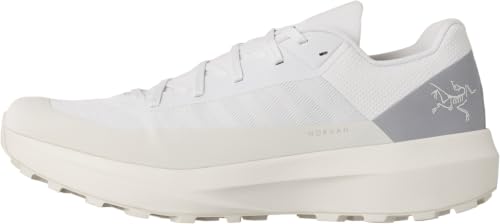
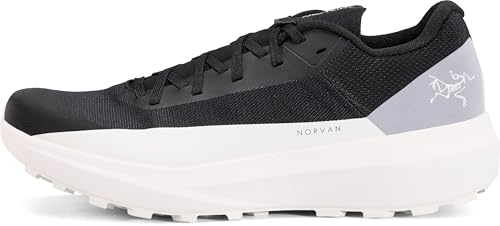
Why trail running shoes work so well for hiking
Trail runners are designed for repeated movement over uneven ground, so many of their strengths transfer directly to hiking. Lugged outsoles grip dirt and gravel. Secure uppers hold the foot during side slopes. Toe bumpers and underfoot layers reduce the sting of rocks. Compared with many boots, they also flex naturally and require little break-in.
Lower weight is noticeable over thousands of steps. A light shoe does not turn a difficult climb into an easy one, but it can reduce the feeling of lifting heavy footwear all day. Breathable uppers help manage heat, and non-waterproof models often dry quickly after a stream crossing. The cushioning that protects a runner can feel comfortable during long walking descents as well.
Trail shoes also encourage precise foot placement because the ankle moves freely. That freedom is beneficial for hikers with adequate strength and balance. It is not a guarantee against injury, but neither is a high collar. Control comes from the combined fit, platform, outsole, fatigue level, and movement of the person wearing the shoe.
The best trips for trail runners
Maintained day hikes, dry singletrack, forest paths, rolling hills, and established backpacking trails are natural territory for trail shoes. They are especially appealing in warm weather and on routes with frequent shallow water, where a breathable shoe can drain and dry instead of trapping moisture.
They also work well for fast hiking and trips that combine running with walking. A moderately cushioned general trail shoe gives enough grip and protection without the stiffness of a mountain boot. For travel, one pair can cover walking, gentle hikes, and casual runs, provided the tread is not so aggressive that it becomes awkward on pavement.
Conditions matter more than mileage alone. A twenty-mile path on firm dirt may be easier on footwear than a three-mile scramble across jagged talus. Read recent route reports, examine elevation and surface descriptions, and consider the worst sustained section. Brief obstacles can be managed carefully; hours of sharp rock or saturated bog place much greater demands on the sole and upper.
When a hiking shoe or boot has an advantage
Boots earn their place in cold, abrasive, and load-intensive conditions. A stiffer sole can spread pressure from sharp scree and support edging on rough slopes. A durable leather or synthetic upper resists repeated contact with rock. Taller construction adds coverage against debris, shallow snow, and mud, while insulated models protect in temperatures where a ventilated runner would be uncomfortable.
Heavy packs can also change preference. Pack weight does not mechanically require a boot, but it increases forces and makes fatigue more consequential. Hikers who feel unstable under load may appreciate a firmer platform. People with a history of foot or ankle problems should choose footwear with advice tailored to their condition rather than assuming collar height solves it.
Trail shoes are less convincing for prolonged kicking of steps into firm snow, travel with certain traction devices, off-trail bushwhacking, and work that repeatedly scrapes the upper. A boot may also remain comfortable longer if the route destroys lightweight mesh. Durability and protection, not toughness as an identity, are the real reasons to move upward.
Continue this topic: Trail Running Shoes for Hiking: Benefits, Limits, and Best Uses.
Waterproof or quick-drying?
Waterproof trail shoes are useful in cold rain, wet grass, shallow puddles, and damp shoulder seasons. Keeping external moisture out can preserve warmth. The membrane also reduces airflow, and once water enters over the collar, it may remain inside longer than it would in a mesh shoe.
For warm trips with stream crossings, quick-draining non-waterproof shoes are often the simpler choice. Pair them with socks that remain comfortable when damp and allow time for feet to air during breaks. In cold environments, wet feet carry greater consequences, so route duration, temperature, and access to dry socks deserve more weight.
A waterproof low shoe does not provide the coverage of a boot and gaiter. Mud and snow can enter from above. Conversely, a boot membrane is not magic; sweat can create moisture from within, and persistent exposure may eventually overwhelm the system. Plan for moisture rather than relying on a label: bring appropriate socks, manage pace and ventilation, and know whether drying is realistic.
Fit for hiking is tested on the descent
A trail shoe can feel perfect on level ground yet punish the toes during a long descent. Fit the heel and midfoot securely so the foot does not slide forward, while leaving space beyond the longest toe. The forefoot should expand without pressing hard against the sidewalls after several hours.
Use the socks intended for the trip. Thicker socks change volume and can make an otherwise correct shoe tight. Orthotics or aftermarket insoles also alter fit, so test the complete system. Lace pressure should be even; numbness over the top of the foot is a sign to adjust the pattern or choose a different upper shape.
Walk down a ramp or stairs during fitting. Toes should not touch the front, the heel should not lift dramatically, and the foot should remain centered during diagonal steps. Before a major hike, complete shorter outings with the planned pack. This reveals hot spots, swelling, and outsole behavior while the consequences are small.
Traction, plates, and underfoot protection
For ordinary paths, moderate lugs provide a useful balance of grip and walking comfort. Deep lugs suit mud and soft soil but can feel awkward on broad slabs of rock. Wet rock performance depends strongly on rubber compound; an outsole that looks rugged may still be slick if its rubber is hard.
A rock plate can make a thin shoe more comfortable on sharp stone, but it also adds stiffness. Thick foam can protect without a separate plate, though a tall soft platform may feel unstable under a pack. A broad base and controlled foam are valuable when fatigue makes foot placement less exact.
Inspect the route rather than buying the most armored option. Smooth woodland tracks need little more than dependable tread. Repeated talus and pointed rock justify stronger underfoot protection. For scrambling, consider how well the shoe edges and whether the toe shape allows precise placement. No outsole grips every surface; slow down when mud, lichen, leaves, or loose gravel reduce friction.
A practical decision before leaving home
Choose trail running shoes for maintained paths, warm conditions, moderate loads, and trips where low weight and quick drying matter. Move toward a protective trail shoe for rockier routes. Choose a hiking shoe or boot when cold, snow, abrasive off-trail travel, heavy loads, durability, or compatibility with equipment becomes the dominant concern.
Then include personal evidence. If your feet swell substantially, prioritize toe space. If you repeatedly roll inside soft, tall shoes, choose a lower, broader platform. If wet feet become cold quickly, plan around insulation and moisture. Familiar equipment is usually safer than a new category worn for the first time on a consequential trip.
The label on the box is less important than the complete system. Footwear, socks, pack weight, weather, pace, and terrain interact. Trail shoes can be outstanding hiking tools when those pieces agree, and disappointing ones when lightness is chosen without regard for the ground ahead.
People also ask
Questions that extend this decision
Do low trail shoes provide enough ankle support for hiking?
Many hikers do well in low shoes because balance and ankle control come largely from the body, fit, and platform. A high collar can add coverage and a feeling of restraint, but it does not prevent every roll. Prior injuries or instability deserve individualized professional advice.
Can trail runners carry a heavy backpack?
They can, particularly for experienced hikers with strong feet and a stable shoe. As load rises, some people prefer a firmer sole and more durable upper. Test the exact pack weight on shorter terrain before relying on light footwear for a remote trip.
Are trail shoes suitable for thru-hiking?
Yes, and many long-distance hikers favor them for low weight and quick drying. Expect lightweight uppers and cushioning to wear sooner than sturdy boots, so replacement planning matters. Fit, resupply access, climate, and the trail's roughest sections should guide the choice.
Can microspikes be worn with trail running shoes?
Many flexible traction devices fit trail shoes, but compatibility varies by device, shoe shape, and conditions. Check the manufacturer's guidance and ensure the harness does not compress the toes or slip. More technical snow travel may require footwear designed for the relevant equipment.
Should hiking trail shoes be sized larger?
They need room for swelling and downhill movement, but automatically adding a full size can create sliding and blisters. Fit by shape and measured length with trip socks. Secure the heel and midfoot while leaving comfortable space around and ahead of the toes.