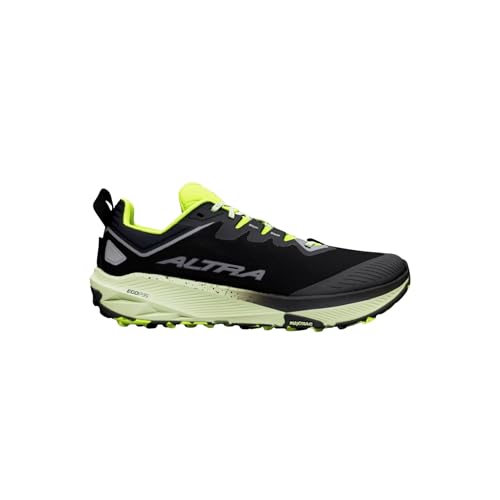
 View on Amazon
 Product-first buyer collection
Wide Trail Running Shoes
Compare wide-size availability and roomy forefoot shapes while checking heel hold.
Read the supporting guides ↓As an Amazon Associate, we may earn from qualifying purchases.
View on Amazon 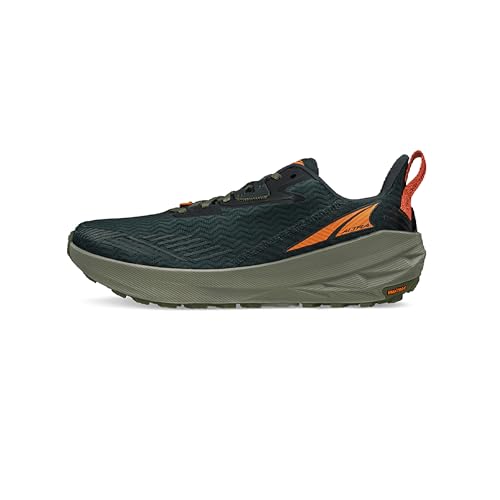 View on Amazon
  View on Amazon
  View on Amazon
 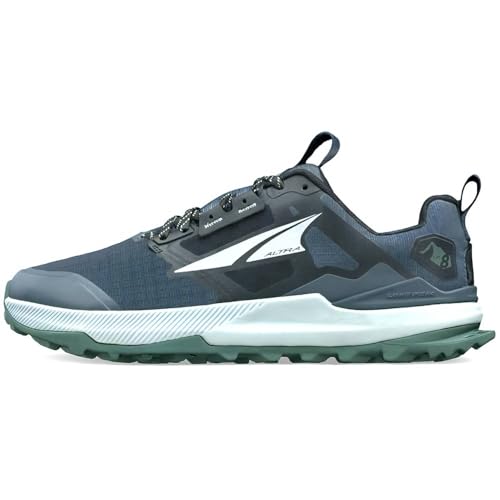 View on Amazon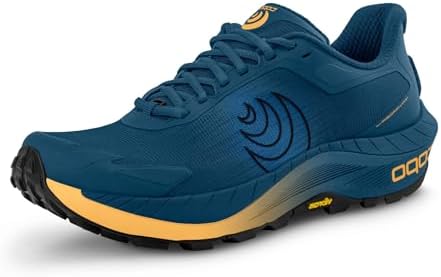
Topo Athletic · Exact Amazon product
Topo Athletic Men's MTN Racer 4 5mm Drop Trail Running Shoes
Men; technical trail
Topo Athletic · Exact Amazon product
Topo Athletic Men's Terraventure 4 Comfortable Cushioned Durable 3MM Drop Trail Running Shoes, Athletic Shoes for Trail Running
Men; technical trail
Topo Athletic · Exact Amazon product
Topo Athletic Men's Terraventure 4 WP Waterproof 3mm Drop Trail Running Shoes
Men; wet technical trail; waterproof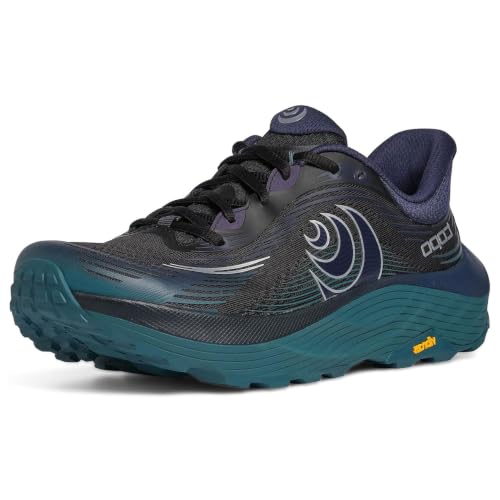
Topo Athletic · Exact Amazon product
Topo Athletic Men's Ultraventure 5 High-Cushion Trail Running Shoes | ZipFoam Midsole, OrthoLite Performance Insole, Vibram XS Trek EVO Outsole, Trail Running, Hiking, Road to Trail
Men; road-to-trail
Topo Athletic · Exact Amazon product
Topo Athletic Women's MTN Racer 4 5mm Drop Trail Running Shoes
Women; technical trail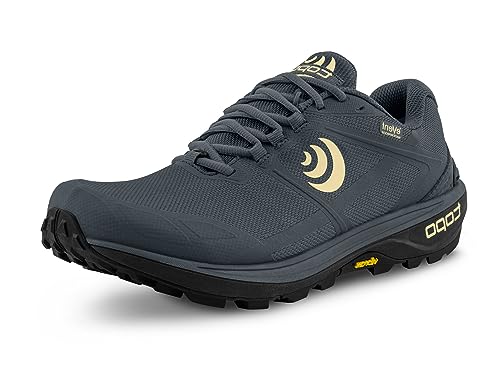
Topo Athletic · Exact Amazon product
Topo Athletic Women's Terraventure 4 WP Waterproof Comfortable Cushioned Durable 3MM Drop Trail Running Shoes, Athletic Shoes for Trail Running
Women; wet technical trail; waterproofDecision checkpoint
A wide size and a roomy toe box differ
A wide-width version changes the fit of a particular model; an anatomical toe box changes its shape. They can solve different problems. If pressure extends across the midfoot, simply choosing a shoe with generous toe splay may not be enough.
Treat the models here as candidates to investigate, not proof that the linked variation is a wide size. Confirm the width designation on the retailer's selected option. Try your running socks and check lateral hold: room is useful only while the foot remains secure on turns and off-camber ground.
Topical support
Related guides and comparisons
listicle
Best Trail Running Shoes for Wide Feet: How to Find Real Width
The best trail running shoes for wide feet provide space where your foot is actually broad while keeping the heel and midfoot stable. Look beyond the word wide: check whether the model has a wider platform, a foot-shaped toe box, extra midfoot volume or multiple width options. The right choice lets toes spread without allowing the foot to slide on uneven terrain.
paaWide Trail Running Shoes: Find Real Width Without Losing Control
Choose wide trail running shoes by locating where your foot needs space. A broad toe box helps toe splay, a true wide last supports a broad midfoot, and extra vertical volume serves a high instep. Whatever shape you choose, the heel must remain secure and the foot must stay centered over the sole during turns and descents.
paaHow to Choose Trail Running Shoes That Fit Your Routes and Feet
Begin with the routes that will account for most of the shoe's mileage, not the adventure you might attempt once. Smooth dirt, gravel, and paved connectors favor shallow or moderate tread. Rocky singletrack benefits from secure fit, durable rubber, and underfoot protection. Mud and soft soil call for deeper, widely spaced lugs. Wet slabs place more emphasis on sticky rubber than dramatic tread depth.
paaTrail Shoe Drop Explained: How Heel-to-Toe Offset Changes the Ride
Heel-to-toe drop is the difference in height between the heel and forefoot inside a shoe. A 6 mm shoe places the heel about 6 mm higher than the forefoot; it may still be highly cushioned or relatively low to the ground. The most useful starting point is the drop you already run in comfortably, followed by a gradual comparison if you want something different.