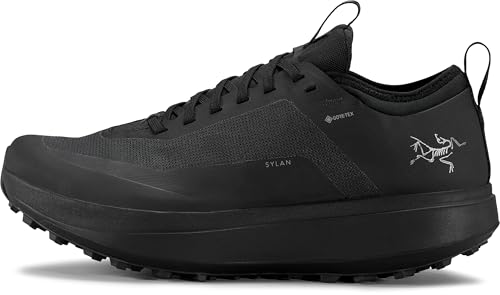

Fit matters more on a trail than it does in the box
A shoe can feel wonderfully soft while you are standing in a store and become a problem as soon as the ground tilts. Trail running asks your feet to move in several directions. You push forward on climbs, brake on descents and load the sides of the shoe when you cross a slope or turn around a rock. A good fit keeps those movements controlled without squeezing the foot. Think of the shoe as two zones. The heel and midfoot are the control zone, where you want a close, dependable hold. The forefoot is the movement zone, where your toes need enough room to spread, swell and avoid the front of the shoe. If the entire shoe is loose, you lose precision and invite rubbing. If the entire shoe is tight, toes and nerves take the punishment. The right pair creates security in one area and freedom in the other.
What a properly fitted trail shoe should feel like
Start with the heel. It should sit low and stable in the cup, with little or no vertical lift as you walk uphill. The midfoot should feel wrapped rather than pinched. You should be able to tighten the laces enough to stop sideways movement without creating pressure on the top of your foot. Up front, your toes should lie naturally instead of being pushed together. Wiggle room is useful; uncontrolled sliding is not. Pay attention to immediate sensations. A hard edge at the arch, pressure over a bunion, numbness, tingling or a hot spot rarely improves during a run. Soft upper material may relax slightly, but the platform and basic shape will not transform. Comfort should be present from the beginning. The best sign is that the shoe disappears from your attention while your heel remains planted and your toes stay clear of the front.
Toe room: enough for descents, not enough to drift
Toe room is not simply empty length. Width, height and shape all matter. A runner with a broad forefoot may have enough space in front of the longest toe but still feel squeezed at the little toe. Another runner may have plenty of width but touch the upper with a raised big toe. Try to match the shoe's shape to your foot rather than solving every mismatch by buying a longer size. On a descent, the foot moves forward under braking forces. Your toes should not strike the bumper when you stand on a decline or make a firm stop. At the same time, the ball of the foot should not slide around the platform. Too much movement creates friction and makes precise footing harder. Long-distance runners may prefer a little more forefoot volume for swelling, but that extra room must be balanced by reliable midfoot lockdown.
Continue this topic: Should You Size Up in Trail Running Shoes?.
Heel and midfoot lockdown create trail control
Heel slip is more than an annoyance on uneven ground. Repeated lifting can rub the skin, while lateral movement can make the shoe feel vague on off-camber sections. Before rejecting the size, experiment with the laces. A runner's loop can hold the heel without crushing the forefoot. Skipping an eyelet over a sensitive spot can reduce pressure on the top of the foot. These adjustments are useful only when the underlying shape is close. If you must pull the laces painfully tight to stop movement, the shoe may have too much internal volume or the heel cup may not match you. Conversely, a shoe that feels secure only when loosely tied may be too narrow. Walk around corners, rise onto your toes and step sideways. The upper should work with the foot rather than allowing it to roll independently over the sole.
Use a slope, stairs and movement to test the fit
A flat floor hides many fit problems. If a store has an incline, use it; otherwise, stairs or a sturdy sloped surface can reveal what standing cannot. Facing downhill, bend your knees and press forward as if braking. Check whether the toes contact the front and whether the heel stays seated. Facing uphill, drive through the forefoot and notice any heel lift. Then make several controlled side steps to feel how securely the upper holds the foot over the platform. Try both shoes because feet are rarely identical. Choose for the larger or more demanding foot, then use lacing or a modest insole adjustment for the smaller one if necessary. Do not rely on a quick thumb-width check alone. It measures length but tells you little about heel shape, midfoot volume, toe-box width or control in motion.
When and how to try shoes on
Feet can become larger after hours of standing, during warm weather and over a long run. Try shoes later in the day if swelling is common for you, and wear the same sock thickness you use on trails. Bring any orthotic or replacement insole you actually run with. Removing a stock insole and placing your foot over it can offer a rough view of length and width, but it is not a complete fit test because the upper volume and heel cup still matter. Lace the shoes from the bottom upward, using even tension rather than yanking the top eyelets. Spend several minutes moving in them. If possible, compare two sizes or widths back to back. The better choice is not automatically the roomier one; it is the one that protects toe space while preserving control. Record the brand, model, size and width because sizing labels are not consistent across models.
Adjust fit for distance, terrain and conditions
A short run on smooth dirt tolerates a slightly more relaxed fit than a technical mountain descent. Precise terrain rewards close heel and midfoot hold. Long races reward forefoot room and an upper that remains comfortable after swelling. Cold-weather socks occupy more volume, while waterproof liners can make a shoe feel warmer and sometimes less forgiving than its mesh counterpart. If you regularly use gaiters, confirm that the collar and attachment points do not alter comfort. The best approach is to fit the shoe for its hardest regular job, not for an imaginary once-a-year adventure. A gravel runner does not need the close, performance-oriented shape of a technical race shoe. A rocky-trail runner should not accept sloppy lateral movement just to gain extra toe width. Let the route determine how much precision, protection and expansion room you need.
Common fit problems and the sensible fix
Black toenails or toe impact usually point to insufficient front clearance, forward sliding or both. First improve heel lockdown, then reassess length. Blisters under the ball of the foot often indicate movement inside the shoe, while rubbing at the little toe suggests the toe box shape is wrong even if the labeled width seems correct. Numb toes, burning or pressure across the forefoot mean the shoe or lacing is too restrictive. Heel blisters can come from excess lift, a mismatched heel cup or a rough collar. Insoles and lacing can fine-tune a close fit, but they should not rescue a fundamentally wrong shape. Avoid the belief that a painful shoe simply needs to be broken in. Trail shoes may soften, yet persistent compression and contact points are warnings. Return or exchange them while the outsole is still clean enough to meet the seller's policy.
People also ask
Questions that extend this decision
Should trail running shoes be tighter than road shoes?
They often need firmer heel and midfoot lockdown because uneven terrain creates more sideways movement. That does not mean squeezing the toes. A secure control zone and a roomy, correctly shaped forefoot are more useful than making the entire shoe tighter.
How much space should be in front of my longest toe?
There is no perfect measurement for every runner. You need enough clearance that the toe does not hit the front on a descent, plus room for expected swelling. Confirm this with a movement test instead of relying only on a thumb-width rule.
Is a small amount of heel slip acceptable?
A barely perceptible movement may be harmless, but repeated visible lifting can cause rubbing and reduce control. Try a runner's loop. If stopping the slip requires painful lace tension, the heel shape or shoe volume is probably wrong for your foot.
Do trail shoes stretch after a few runs?
Uppers may soften and relax slightly, but the sole shape, length and basic volume do not meaningfully change. Do not buy a shoe that compresses toes or creates a distinct pressure point with the expectation that it will become the right shape.
Should I fit trail shoes with thicker socks?
Fit them with the socks you will actually wear. A thicker sock can take up useful volume and make a good shoe too tight, while a thin sock in an oversized shoe may allow movement. Test cold-weather and warm-weather setups separately if they differ substantially.