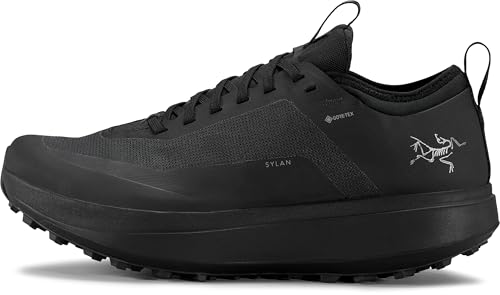


Winter is several surfaces, not one season
Fresh powder, packed snow, thawing mud, frozen dirt, slush, and glazed ice demand different traction. Deep lugs can reach through loose snow to firmer material, while closely packed snow may respond to broader contact and rubber formulation. Mud needs spacing that releases soft ground. Hard ice is the outlier: standard trail tread may provide very little purchase, regardless of lug size. Begin with the condition most likely to cause a fall on your regular route, then consider how often it appears. A runner on plowed gravel has different needs from someone crossing shaded frozen streams. Weather forecasts help, but local knowledge matters more because two sections of the same trail can freeze differently. Winter footwear is a risk-management system, not a generic cold-weather colorway.
Understand what lugs can and cannot grip
Lugs work by engaging a surface. In loose snow or soft dirt, deeper projections can penetrate and create edges, while open spacing helps prevent buildup. On hard smooth ice, there may be nothing for rubber to enter. Specialized shoes with metal studs or removable traction devices can provide mechanical bite, though they affect ride and are unsuitable for many indoor or paved surfaces. Microspikes vary in running suitability and must fit the shoe securely without compressing the toes. Always follow the device maker's intended use. A winter outsole should also remain predictable on exposed rock and road patches, because mixed conditions are common. The strongest snow shoe may feel harsh when the route clears.
Use waterproofing mainly for warmth and shallow moisture
A membrane can delay water from slush, wet snow, and puddles while reducing cold airflow. That warmth is often more valuable in winter than the promise of perfect dryness. Snow or water entering above the collar can still soak the interior, and a membrane may slow drainage. A gaiter can reduce entry around the ankle and keep loose snow or grit away from the sock, but it does not turn a low shoe into a sealed boot. In temperatures near freezing, consider whether the route repeatedly crosses deep water. A breathable upper paired with warm moisture-managing socks may recover better from unavoidable immersion. Choose the system for the exposure depth and duration rather than automatically selecting a waterproof acronym.
Continue this topic: How to Choose Trail Running Shoes for Snow and Ice.
Fit the complete cold-weather system
Thicker socks, waterproof liners, gaiter straps, and traction devices all interact with fit. Try the shoe with the intended sock and any replacement insole. Toes need room to move and should not be compressed, because extra insulation is not helpful when the fit is painfully tight. The heel and midfoot must remain secure despite added length or volume. When a traction device wraps around the toe, verify that it does not deform the upper or create new pressure. Test the setup on a safe incline before using it remotely. Do not assume a half-size increase is mandatory; compare sizes and widths, then choose the combination that preserves toe clearance without internal sliding.
Balance cushioning with frozen-ground control
Cold can change how materials feel, and frozen trails can deliver a firmer sensation than summer dirt. More cushioning may reduce harshness, but a tall soft platform can be less precise on rutted ice or uneven frozen footprints. A broad base and controlled foam help the foot stay centered. Underfoot protection also matters when snow conceals rocks and roots. Test whether the shoe remains flexible enough for your stride without feeling vague. Racing speed, distance, and pack weight can shift preference, yet none cancels the need for reliable traction. Comfort should support careful foot placement rather than encouraging a false sense of security on surfaces that exceed the outsole.
Plan for changing conditions during one run
A shaded morning trail may begin frozen and return as mud. A climb can hold snow while a sunny descent is bare rock. Choose for the most consequential section and carry a removable traction device when transitions justify it. Know where the device can be put on safely before reaching the ice. Shorten the route if thawing creates conditions beyond the shoe, and treat pace as adjustable equipment. Reflective details and a light may matter during short winter days, although they do not replace situational awareness. Keep an emergency layer appropriate to the route and tell someone the plan in remote settings. Footwear is one component of a winter decision, not permission to ignore weather or trail closures.
Dry and inspect shoes after cold wet runs
Remove insoles and loosen laces so moisture can escape. Air-dry at room temperature away from direct heaters, which can damage adhesives or deform materials. Brush away salt, grit, and dried mud according to the manufacturer's care guidance. Inspect studs, outsole edges, gaiter attachment points, and upper flex zones. Traction devices should be dried and checked separately for broken chains, worn points, or damaged elastomers. A waterproof outer treatment may require compatible renewal over time, but it is not the same as the membrane beneath it. Winter use can hide wear under dirt, so regular inspection is especially important before a remote outing.
Final Verdict
There is no single best winter trail shoe because powder, slush, mud, and ice create different traction problems. Match lugs to soft surfaces, consider waterproof warmth for cold shallow moisture, and use studs or suitable traction equipment when hard ice exceeds rubber. Fit every layer together, including socks and gaiters, while preserving toe comfort and heel control. Choose for the riskiest normal segment and prepare for conditions to change mid-run. The most capable winter setup is not the bulkiest; it is the one whose grip, warmth, and fit address the route honestly. When the surface becomes unpredictable beyond that system, slowing down or turning around remains the smartest piece of equipment.
People also ask
Questions that extend this decision
Do trail running shoes grip ice?
Ordinary lugs may help on textured frozen ground but can offer little traction on smooth hard ice. Studded shoes or compatible traction devices provide mechanical bite, although each has surface and fit limitations.
Are waterproof shoes necessary for snow?
They are useful for cold wet snow and slush, but not mandatory. In dry powder or conditions involving deep water entry, sock warmth, gaiters, drainage, and overall fit can matter just as much.
Should winter trail shoes be larger for thick socks?
Only when the complete sock setup needs more room. Compare sizes with the intended sock and make sure the heel remains secure. A shoe that is too large can slide during turns and descents.
Can I put microspikes on trail running shoes?
Some traction devices are compatible with running shoes, but fit and intended activity vary. Follow the manufacturer's sizing and use guidance, and verify that the device does not compress toes or shift while moving.
How do I dry waterproof trail shoes?
Remove the insoles, loosen the laces, and air-dry at room temperature. Avoid radiators, clothes dryers, and intense direct heat because these can affect adhesives, shape, and upper materials.