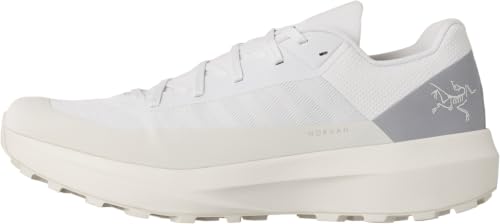
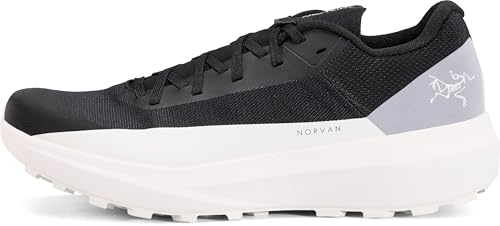
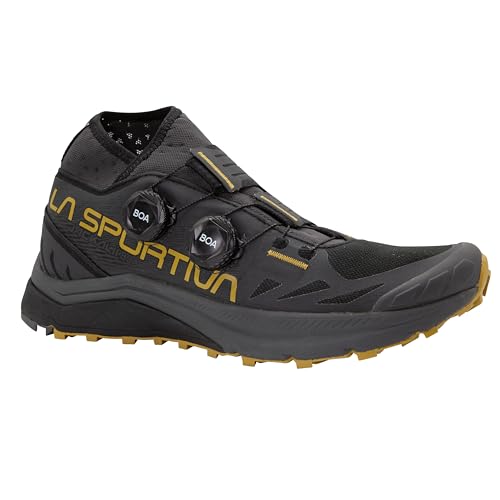
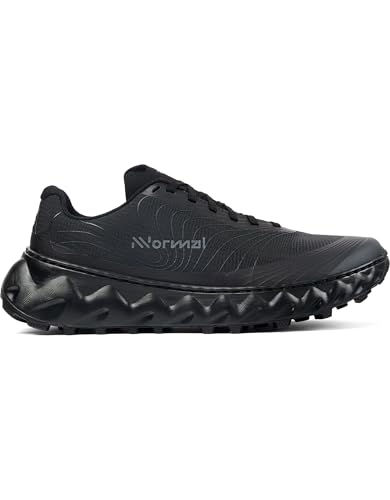
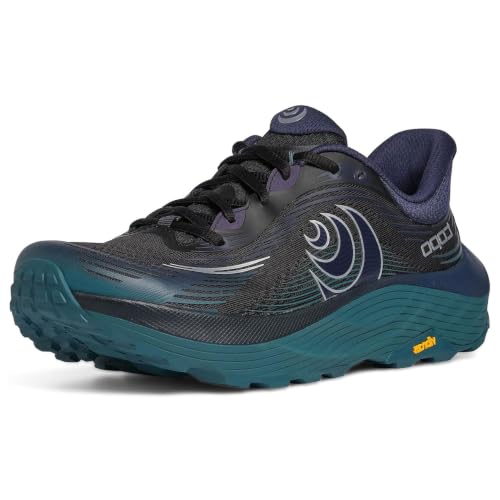

Two ride preferences, not opposing teams
Max-cushion and ground-feel shoes are often presented as philosophies, as if a runner must believe in one. They are more useful as ends of a spectrum. A max-cushion trail shoe places a substantial amount of midsole between foot and ground. A ground-feel shoe makes the surface easier to sense, usually through a lower stack, more flexible construction, firmer material, or some combination of the three. Plenty of shoes occupy the middle.
The labels also hide important differences. A tall shoe can use controlled foam and a broad base, while another can feel soft and mobile. A lower shoe might flex naturally or use a firm rock plate that mutes sharp edges. The best comparison starts with the experience you want—more isolation from repeated impacts or more information about the surface—then checks whether the rest of the shoe supports your terrain.
What max cushioning can contribute
On long runs, hard-packed trails, and routes with relentless small impacts, a generous midsole can make the ride feel less harsh. It can also put more material between the foot and embedded stones. Runners who finish long outings feeling battered underfoot may reasonably prefer that buffer. Softness is not the only route to comfort: some high-stack shoes use firmer, resilient foam or a rocker to keep the ride moving.
The tradeoffs emerge when the ground tilts or breaks into awkward shapes. More stack can reduce the clarity of trail feedback, and a soft platform may move before the outsole settles. Designers counter that with wider bases, sidewalls, firmer foam zones, and secure uppers. Therefore, “high stack equals unstable” is too crude. The better questions are whether the heel and forefoot bases are broad enough, whether the foot sits down inside the platform, and whether the upper prevents sliding when you traverse a slope.
What ground feel can contribute
A closer-to-ground shoe can make changes in angle and texture easier to detect. On technical singletrack, that feedback may help a runner place the foot deliberately and react to small features. Lower platforms can also feel nimble through rapid direction changes, particularly when the upper fits securely and the forefoot flexes where expected. Runners who dislike a floating or muted sensation often describe this connection as confidence.
Feedback is not free protection, however. Repeated contact with sharp stones or firm ground can feel tiring, especially as distance grows. A low stack does not guarantee flexibility, and flexibility does not guarantee good grip. Some ground-feel models include rock plates; others rely on dense foam or outsole construction. Read “ground feel” as an experience, then inspect how the shoe manages sharp objects, torsion, and toe protection.
Continue this topic: Are Max-Cushion Trail Running Shoes Right for Your Long Runs?.
Let terrain set the first constraint
Smooth dirt, park paths, and gravel give both categories room to work. A max-cushion model can make steady mileage pleasant, while a lower model can feel simple and direct. On rocky, rooty, or off-camber routes, platform control becomes more important. A lower shoe may feel precise, but a well-designed max-cushion shoe can still work when its base and upper are secure. Test whether the foot stays centered instead of judging stack by sight.
Deep mud shifts the decision toward outsole geometry and upper hold. Tall foam does not create traction, and ground feel does not clear mud from lugs. On mixed routes with road connections, a moderate or higher stack may smooth the paved portions, while an aggressive low shoe may feel unnecessarily harsh. The category should follow the route, not the other way around.
Distance changes what you notice
A shoe that feels lively for 45 minutes may feel exposed after four hours. Conversely, a plush shoe that feels effortless at cruising pace may seem cumbersome when quick foot placement dominates the run. Think about the part of your normal outing when your shoe choice becomes most noticeable. If underfoot fatigue arrives late, more protection may help the experience. If the problem is hesitation on irregular ground, a controlled platform and clearer feedback may matter more.
There is no mileage threshold at which every runner needs max cushioning. Body size, strength, pace, pack weight, surface, and personal preference all shape the response. Long-distance runners can prefer ground feel, and short-distance runners can enjoy plush shoes. Distance is a prompt to identify the tradeoff you tolerate, not permission to make a universal rule.
Separate softness, stack, and stability
Three features that shoppers often merge should be assessed separately. Stack is the amount of material underfoot. Softness is how that material responds under load. Stability is the result of platform geometry, foam behavior, upper security, and the runner's interaction with the shoe. A tall, broad shoe with controlled compression may feel steadier than a lower but very narrow, soft shoe.
When comparing product specifications, note heel and forefoot stack, but look at the base outline and read how the foam is described. Examine whether sidewalls rise around the foot and whether the heel counter and midfoot overlays appear designed for trail hold. A roomy toe box can coexist with a secure midfoot; wide should not mean sloppy. These observations produce a more useful shortlist than sorting only by the largest stack number.
A two-shoe rotation can remove the false choice
Runners who split time between mellow long runs and short technical outings may not need one shoe to compromise across both. A cushioned everyday or long-run shoe can handle steady mileage, while a lower, more precise model covers rocky sessions or shorter efforts. The rotation gives each shoe a clear job and makes differences easier to learn. It may also spread weekly mileage across two pairs, although wear still depends on the individual shoe and terrain.
If you own one pair, begin with the role that covers most of your miles. Choose the least specialized shoe that handles that terrain, then add another only when a recurring use case justifies it. The Shoe Life & Rotation Calculator can divide weekly distance by role and show a planning window without insisting that every runner needs more shoes.
How to choose with the Trail Shoe Finder
In the finder, select more ground feel when surface feedback and a direct ride are the priority, balanced when you want some buffer without emphasizing either extreme, or more cushioning when long-duration comfort and protection lead the decision. Terrain and fit carry more weight than ride preference, so a highly cushioned result will still favor control on technical ground, and a ground-feel result will still respect a verified wide-width requirement.
Read the result's tradeoff line before opening products. “More protection can feel less flexible” or “more feedback may feel firmer over long distances” is not a warning label; it is the reason to choose intentionally. Compare the recommended profile with one adjacent alternative. The goal is not to crown a category. It is to recognize which sensation helps you run your trails with fewer compromises.
People also ask
Questions that extend this decision
Does max cushioning protect against every sharp rock?
No. Foam can buffer underfoot contact, but protection also depends on density, rock plates, outsole construction, and where the foot lands. No trail shoe makes sharp terrain consequence-free, so inspect the complete platform rather than relying on stack alone.
Are high-stack trail shoes always unstable?
No. A broad base, controlled foam, raised sidewalls, and a secure upper can make a tall shoe feel composed. Height can influence leverage, but geometry and fit determine how the platform behaves on uneven ground.
Can a rock plate reduce ground feel?
It can. Plates spread pressure from sharp objects and may add stiffness, which can mute some surface detail. Plate material, shape, and surrounding foam vary, so two plated shoes can still feel quite different.
Is a firmer trail shoe the same as a ground-feel shoe?
Not necessarily. Firmness may improve definition, but a firm high-stack shoe can still separate the foot from the trail. Ground feel comes from the combined stack, flexibility, foam, plate, and outsole.
Should beginners choose more cushioning?
Beginners do not automatically need either extreme. A balanced, secure shoe that matches the usual terrain and fits well is often the clearest starting point. Cushion preference can then be refined from actual runs rather than assumptions.