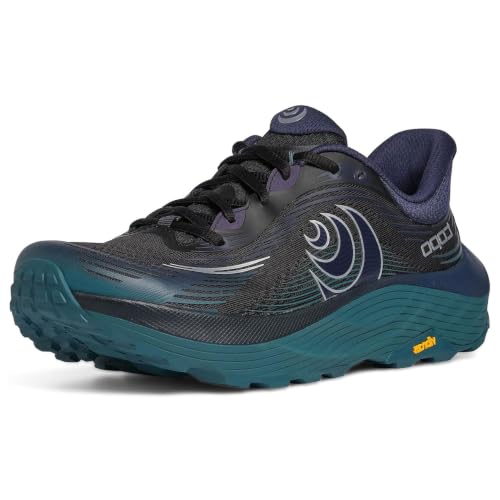
Topo Athletic · Exact Amazon product
Product-first buyer collection
High-stack comfort for long miles with stability tradeoffs explained.
Read the supporting guides ↓As an Amazon Associate, we may earn from qualifying purchases.
Topo Athletic · Exact Amazon product

adidas Terrex · Exact Amazon product
 View on Amazon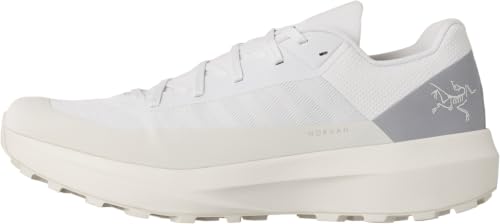
Arc'teryx · Exact Amazon product
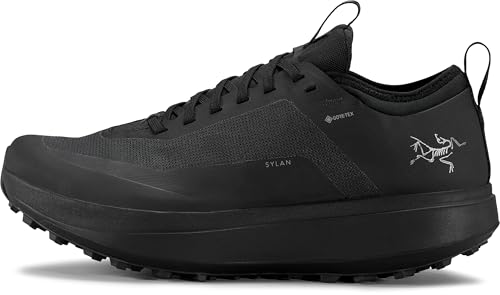
Arc'teryx · Exact Amazon product
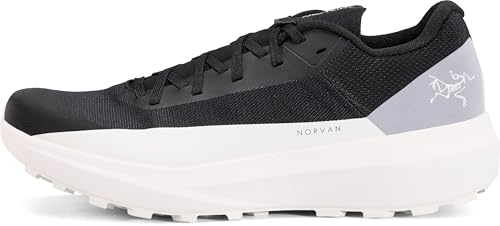
Arc'teryx · Exact Amazon product
 View on Amazon
  View on Amazon
 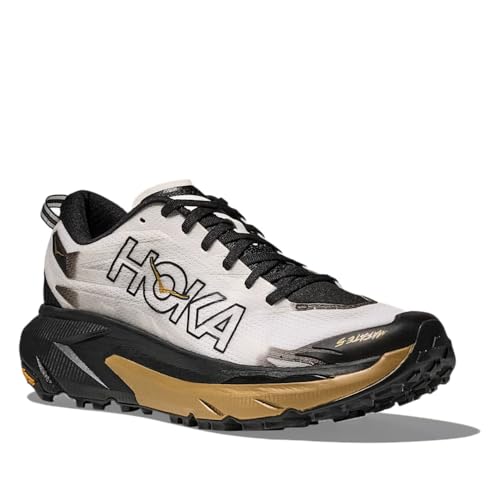 View on Amazon
 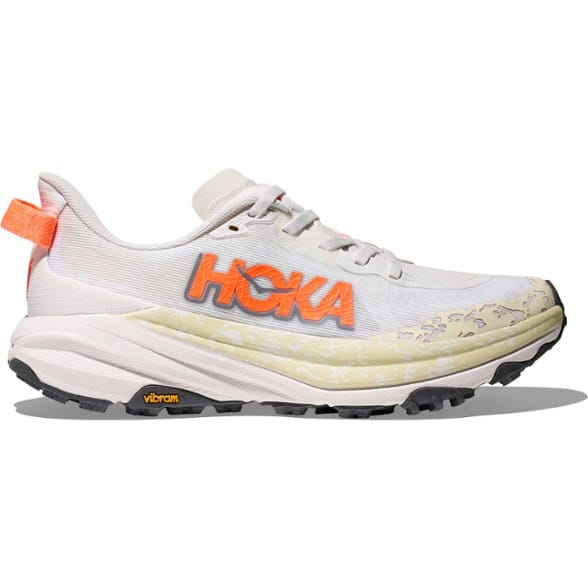 View on Amazon
  View on Amazon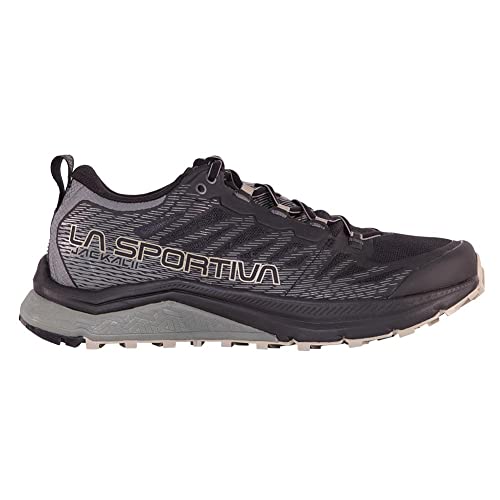
La Sportiva · Exact Amazon product
Decision checkpoint
More material underfoot can reduce the sense of sharp trail texture, but the resulting ride may feel less direct. On uneven ground, ask whether you can place the foot accurately and trust the platform during turns.
Do not select by cushioning alone. Upper hold and the width of the platform influence how secure a tall shoe feels. Compare a cushioned candidate with a lower-profile option on the same familiar route when possible. The ground-feel comparison explains why the most comfortable standing sensation is not necessarily the easiest ride to control.
Topical support
Choose more cushioning when sustained comfort and underfoot protection matter most, and favor more ground feel when precise feedback, flexibility, and a lower platform help you place your feet. Neither approach is automatically safer or better. Platform width, foam behavior, fit, rock protection, and outsole grip can matter as much as stack height.
paaMax-cushion trail shoes can reduce the repeated harshness of long runs, but the tallest or softest option is not automatically the most comfortable. A useful design pairs substantial foam with a broad outsole, controlled sidewalls, dependable grip, and an upper that keeps the foot centered. Runners who spend hours on moderate trails often appreciate the protection; runners who want precise ground feedback on steep, irregular terrain may prefer less stack. Compare stability at the edge, not just softness under the heel. The best choice feels calm when only half the outsole lands on a root or sloped stone, and it remains supportive after the foam warms during a long outing.
paaBegin with the routes that will account for most of the shoe's mileage, not the adventure you might attempt once. Smooth dirt, gravel, and paved connectors favor shallow or moderate tread. Rocky singletrack benefits from secure fit, durable rubber, and underfoot protection. Mud and soft soil call for deeper, widely spaced lugs. Wet slabs place more emphasis on sticky rubber than dramatic tread depth.
paaHeel-to-toe drop is the difference in height between the heel and forefoot inside a shoe. A 6 mm shoe places the heel about 6 mm higher than the forefoot; it may still be highly cushioned or relatively low to the ground. The most useful starting point is the drop you already run in comfortably, followed by a gradual comparison if you want something different.