Separate movement from a diagnosis
Pronation describes part of the foot's movement as it accepts load. The amount visible in a mirror or video does not by itself establish a problem, and trail surfaces make landings variable. One step may occur on a root, the next on a slope, and the next in soft dirt. A store category cannot determine whether a runner needs mechanical guidance. Begin with the practical complaint: does a shoe feel unstable, does the foot slide inside it, or is there recurring discomfort? Fit and platform changes can address shopping problems, while pain and injury questions require individual professional assessment. Avoid products that promise to cure gait or prevent injury through a label alone.
Trail stability often looks different from road stability
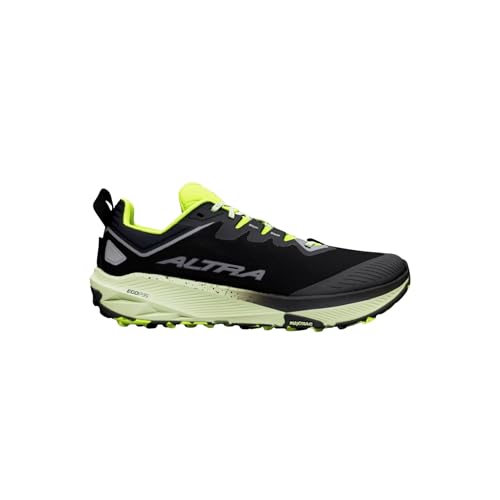
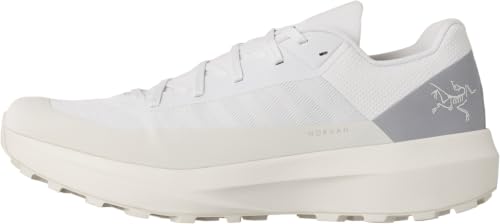
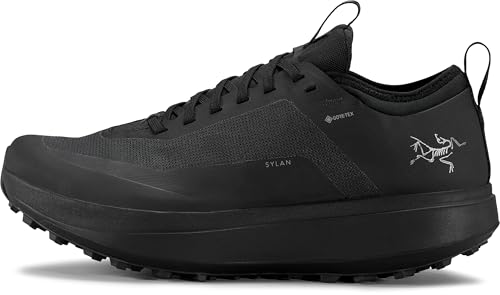
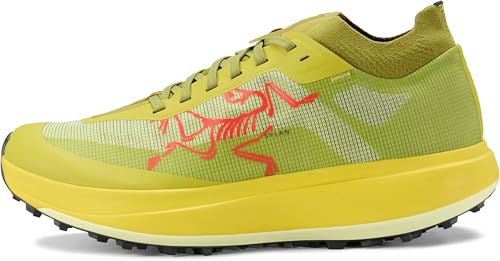
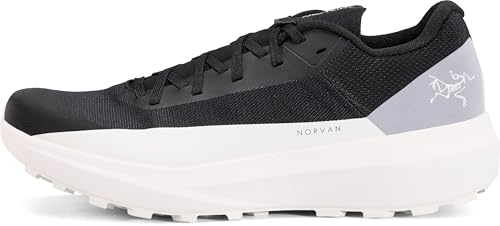
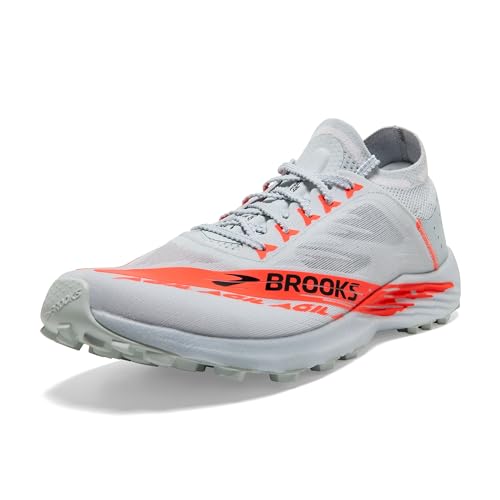
Road stability shoes may use rails, firmer medial elements, shaped sidewalls, or broad bases for repetitive flat-surface motion. Trail models frequently rely on a secure upper, torsional control, lower or cradled foot position, and platform width. An intrusive post can be less relevant when every landing angle changes. That does not mean support is absent. Examine how far the base extends under heel and forefoot, how much the foam moves when loaded off-center, and whether the foot sits within sidewalls. The most useful stable trail shoe feels predictable rather than corrective. It helps the foot remain centered without forcing a sensation that becomes distracting over distance.
Lock the foot to the platform comfortably
Internal sliding can mimic platform instability. The heel should not lift repeatedly, and the midfoot should resist side-to-side drift without crushing the arch or instep. A runner's loop or zoned lacing can refine a close match, but it cannot repair a last that is too wide, narrow, high, or low volume. Check forefoot room independently; toes should spread and remain clear on descents. Runners using orthotics should bring the exact device and confirm that removing the stock insole does not reduce heel depth or create pressure. The whole system must be tested on an incline. Security should come from shape and reasonable lace tension, not from immobilizing the foot.
Continue this topic: Brooks Trail Running Shoes: From Cascadia Stability to Catamount Speed.
Favor controlled foam and a useful base
Softness can feel comfortable while standing yet move unpredictably on angled terrain. High stack is not automatically unstable, but taller shoes benefit from broad platforms, sidewalls, and foam that settles without excessive wobble. Lower platforms can provide feedback, though firmness or narrowness may introduce other concerns. Stand on one foot, then step laterally and turn. Notice whether the upper and midsole respond together. A shoe that rocks before the outsole engages is a questionable match for technical ground. Compare heel and forefoot behavior separately. Stability is the result of interacting dimensions, not a badge attached to one density of foam.
Traction is part of a stable experience
Even a well-controlled midsole feels unreliable when the outsole cannot hold the surface. Mud needs lugs with depth and release space. Wet rock rewards rubber and stable contact. Gravel favors moderate tread that does not skate over loose stones. Match traction to the route before attributing every slip to pronation or support. Also check outsole wear; rounded lugs and damaged rubber can change a formerly predictable shoe. A stable upper cannot compensate for ice that exceeds ordinary tread. Treat footing, shoe condition, pace, and platform as separate contributors. That wider view leads to better decisions than searching only for a trail shoe marketed for overpronation.
Change one variable and test modestly
If you want more stability than a current shoe provides, compare a broader or firmer model with a similar drop and cushion level. An abrupt move to a different offset, stack, and support system makes the result hard to read. Begin on familiar trails at easy effort. Pay attention to comfort during the run and afterward, but do not diagnose yourself from one sensation. A shoe should not create a hard arch edge, numbness, or pressure in the name of support. Return a poor shape rather than trying to adapt to it. Persistent pain, weakness, or recurrent injury merits individualized evaluation, especially before major training changes.
Build a stability shortlist responsibly
Filter first by correct width and volume, then by terrain. Among the remaining options, compare platform breadth, foam control, heel counter, upper structure, and how deeply the foot sits within the midsole. Include neutral trail shoes if they feel stable; the absence of a stability label does not mean the absence of control. If an orthotic is part of your established setup, assess compatibility instead of assuming every removable insole provides enough room. Ignore promises that a model will correct everyone with flat feet or pronation. A useful shortlist describes what the shoe does physically and lets the runner judge comfort through movement.
Final Verdict
Trail runners concerned about overpronation should shop for a secure, controlled, terrain-appropriate platform rather than chase a universal corrective shoe. Pronation alone is not proof that intervention is necessary. Test heel and midfoot hold, width under the foot, foam behavior, and outsole grip, then compare the result with familiar footwear. Neutral models can be stable, while aggressively supportive shoes can feel intrusive. Make changes gradually and reject any fit that creates pressure or altered movement. Shopping guidance can explain construction and tradeoffs; it cannot diagnose symptoms. When pain or injury drives the search, a qualified clinician should guide the health decision while the shoe remains only one part of the picture.
People also ask
Questions that extend this decision
Do flat feet always need stability trail shoes?
No. Arch shape alone does not determine footwear needs. Many runners with flat feet use neutral shoes comfortably. Focus on fit and function, and seek qualified assessment when pain or a recurring injury is involved.
Why are there fewer stability trail shoes than road shoes?
Trail landings vary in angle and stride, so brands often create control through platform width, sidewalls, firmer foam, and upper hold rather than traditional road-style posts or guidance systems.
Can orthotics be used in trail running shoes?
Often, if the shoe has a removable insole and enough depth. Test the exact device because it can change heel position, volume, and toe space. Established medical devices should be used according to professional guidance.
Is maximum cushioning good for overpronation?
Cushion amount alone does not answer the question. A high-stack shoe may feel stable when broad and controlled or vague when soft and narrow. Evaluate the complete platform and fit on uneven movement.
Can a neutral trail shoe be stable?
Yes. Broad geometry, sidewalls, secure uppers, controlled foam, and torsional structure can create a stable ride without a formal stability label. How the shoe behaves on your terrain matters most.