
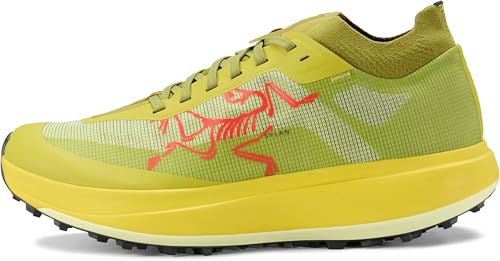
From Road Heritage to Distinct Trail Roles
Nike no longer treats trail as a single rugged variation of a road shoe. Its core families now separate hybrid access, daily protection, long-distance cushion, nimble handling, and race performance. The shared appeal is a sense of movement familiar to runners who enjoy Nike road models, but outsole, upper, and platform demands differ meaningfully. Pegasus Trail minimizes the shock of leaving pavement. Wildhorse and Zegama take dirt more seriously in different ways. Terra Kiger keeps contact quick and direct, while Ultrafly explores high-efficiency racing. The brand suits runners who want an energetic experience and clear surface choices. It is less automatic for buyers needing extensive width offerings or a pronounced foot-shaped forefoot. Current model fit and outsole construction must be verified independently; wearing a road Pegasus does not settle the trail decision.
Pegasus Trail: The Door-to-Trail Connector
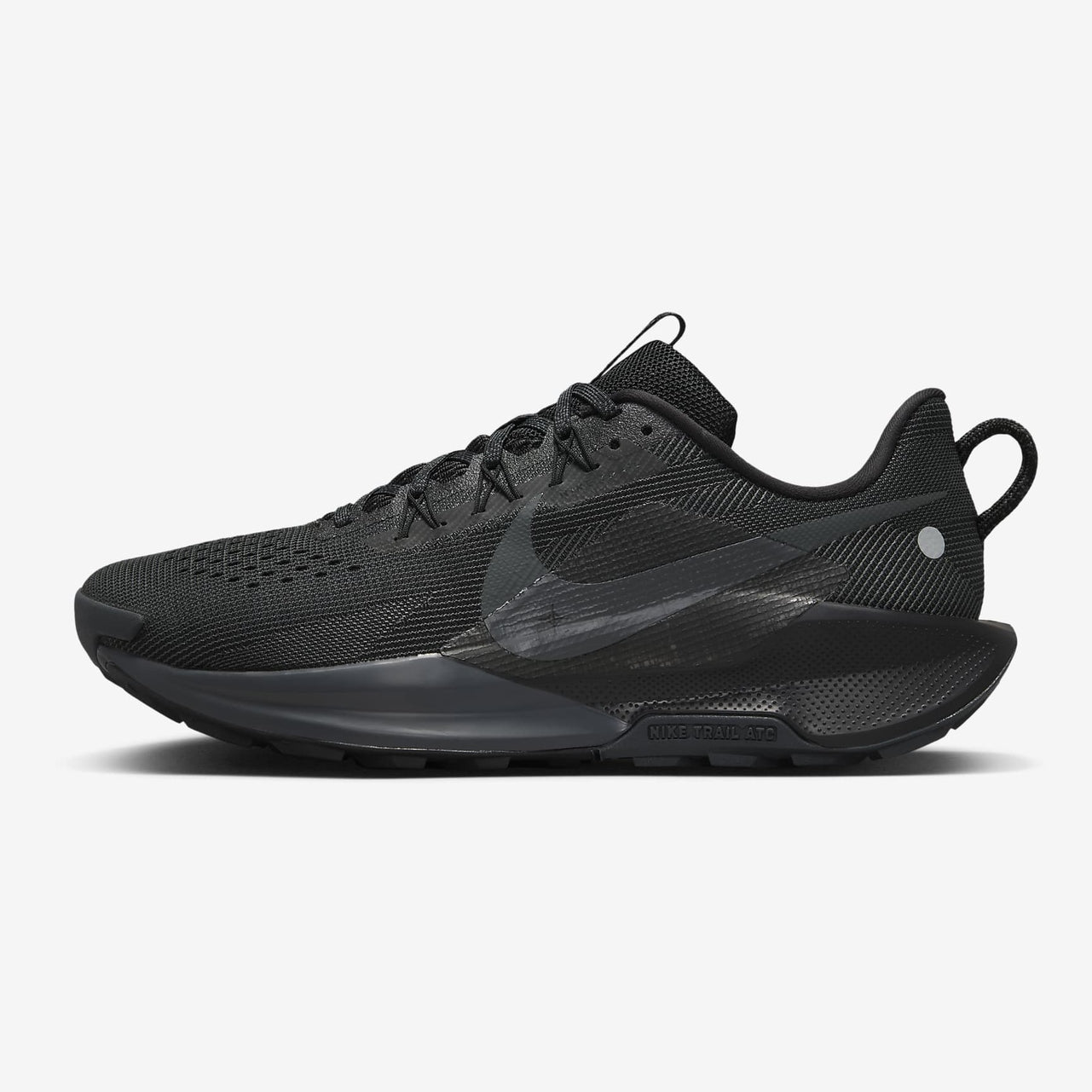
Pegasus Trail is the logical Nike for urban and suburban runners whose routes combine streets, parks, gravel, and moderate singletrack. Its job is to make surface transitions smooth enough that no shoe change is required. On pavement, it should feel less intrusive than a technical lug pattern; on dirt, it adds coverage and hold beyond an ordinary road trainer. That balance breaks down at the extremes. Deep mud needs penetration and shedding, while severe rock may require more protection and security. Pegasus Trail is best when trail is an important segment within a mixed route, not when pavement is a brief crossing inside a mountain day. Weatherproof variants should be treated separately because membrane construction changes warmth, drainage, and sometimes fit. Waterproofing never substitutes for outsole grip.
Zegama: Cushion for Mountain Distance
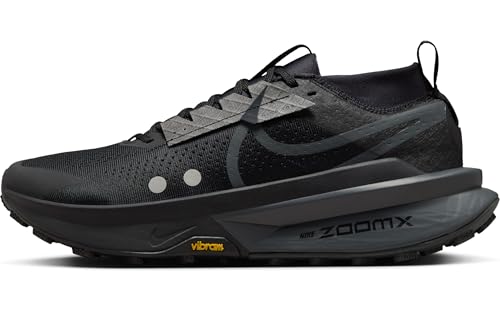
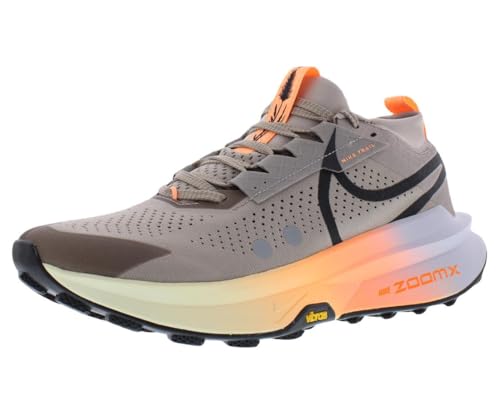
Zegama serves runners who want Nike's lively foam ideas within a more protective long-distance trail platform. It makes sense for mountain training, long descents, and ultras where repeated impact becomes a larger problem than road-like smoothness. The substantial cushion can preserve comfort and encourage rhythm, yet height and softness should be tested on awkward cambers. Runners who depend on precise ground feedback may prefer Wildhorse or Terra Kiger even at long distances. Zegama is not chosen because every ultra demands maximal cushion; it is chosen when the runner's own long outings improve with isolation. Course character matters too. Runnable mountain paths showcase the platform differently than wet scrambling. Confirm the current outsole and upper rather than carrying first-edition impressions into a later model.
Continue this topic: Nike Pegasus Trail vs New Balance Hierro: Which Road-to-Trail Shoe Fits Your Miles?.
Wildhorse: Protective Daily Trail
Wildhorse occupies the durable middle between Pegasus Trail's hybrid role and Zegama's cushion-led distance focus. It is suited to daily dirt, moderate technical routes, and runners who want more underfoot security than a nimble race shoe without moving to a maximal platform. Its personality is protective and straightforward. That makes it a useful one-pair option when weekly trail varies but road connectors remain secondary. Wildhorse may feel more substantial than Terra Kiger and less fluid than Pegasus Trail on pavement. It should be compared with Zegama by asking whether the runner wants a traditional protective tool or a highly cushioned long-run experience. Fit on descents is essential; a secure upper should stop forward movement without forcing pressure across the top of the foot.
Terra Kiger: Agility and Trail Feedback
Terra Kiger is the Nike model for runners who want less shoe between themselves and the trail. Its lighter, quicker character supports shorter races, technical workouts, and moderate terrain where rapid placement matters. It can make climbing and cornering feel engaging, especially for runners who dislike tall platforms. Reduced isolation is the corresponding cost. Sharp rock and long descents may create more fatigue, and runners accustomed to Zegama-like cushion should not expect the same late-run comfort. Terra Kiger is not an entry-level version of Wildhorse. It is a deliberate choice for feedback and agility. Test its forefoot and heel hold at speed because a shoe that feels light while walking may shift when braking. Choose it when the trail rewards precision more often than padding.
Ultrafly Trail and Race Efficiency
Ultrafly Trail represents Nike's race-focused branch, using an advanced construction intended to convert steady force into efficient forward movement. Exact plate, foam, and outsole details should be sourced from the current official page. The lasting decision is whether the course allows that efficiency to work. Runnable ultras and maintained trail can reward a propulsive platform; highly broken rock, long hiking, and tight off-camber turns may expose its specialization. Race shoes also deserve durability and fit expectations distinct from daily trainers. Ultrafly should be tested at goal pace and late-run pace, because geometry that feels smooth while fresh may feel controlling when form changes. It is not automatically better than Zegama for an ultra or Terra Kiger for a short technical event. It is a tool for a specific race pattern.
Fit and Outsole Reality
Nike road size can start the fitting process, but trail demands add lateral movement, swelling, and downhill braking. The heel should remain centered, the midfoot must hold without numbness, and toes need clearance on an incline. Nike's standard shapes may not solve every broad foot, so do not create width with excessive length. Grip claims should remain terrain-specific. Outsole rubber, lug arrangement, wear, rock film, and temperature interact; a brand technology cannot guarantee wet-rock security. Pegasus Trail prioritizes mixed surfaces, Zegama and Wildhorse broader trail protection, Terra Kiger quick contact, and Ultrafly race efficiency. Deep mud may require a different specialist. Inspect outsole wear regularly because road connectors and abrasive rock can round edges at different rates, with no universal replacement mileage.
Final Verdict
Nike Trail now offers a genuine model map rather than one hybrid answer. Pegasus Trail is the road-to-dirt bridge, Zegama cushions mountain distance, Wildhorse handles protective daily use, Terra Kiger keeps movement nimble, and Ultrafly Trail pursues race efficiency. The brand is strongest for runners who want energetic transitions and can find a secure standard fit. It is less certain for feet needing many width choices or for courses dominated by deep mud. Choose from the weekly route inward: surface split first, technical severity second, distance third, and preferred ground feel fourth. Then test descent hold. A famous road lineage should not override an off-road mismatch. The correct Nike is the one that retains control when the surface and pace change, not simply the model whose foam sounds fastest.
People also ask
Questions that extend this decision
Which Nike trail shoe is best for beginners?
Pegasus Trail is approachable for road runners using easy paths and pavement connectors. Wildhorse is a better first choice when genuine trail and protection dominate. Beginners should match normal terrain rather than buying the most cushioned or race-focused option.
How do Zegama and Wildhorse differ?
Zegama emphasizes cushioned long-distance flow, while Wildhorse offers a more traditional protective daily-trail package. Choose Zegama when repeated impact limits long runs; choose Wildhorse when varied terrain and straightforward security matter more than maximal cushion.
Is Terra Kiger suitable for long distances?
It can be for runners who tolerate its direct, agile ride, but it offers less isolation than Zegama. Long rocky courses may create greater underfoot fatigue. Representative long training runs should decide rather than the model's low weight.
Can Pegasus Trail replace a road shoe?
It can cover mixed routes, but mostly-pavement runners may find a road shoe smoother and more efficient. Trail outsoles also wear differently on asphalt. Pegasus Trail is most logical when dirt is a recurring, meaningful part of the route.
Is Ultrafly Trail the best Nike for every race?
No. Its efficiency-led design suits runnable courses and particular mechanics. Terra Kiger may be better on short technical routes, Zegama on protection-led mountain races, and Wildhorse for dependable completion. Test the race shoe at realistic pace and terrain.