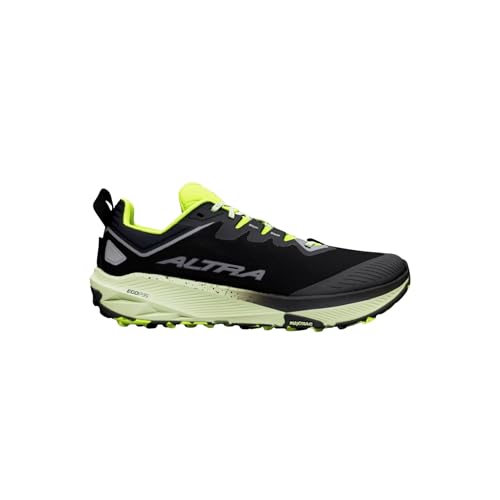
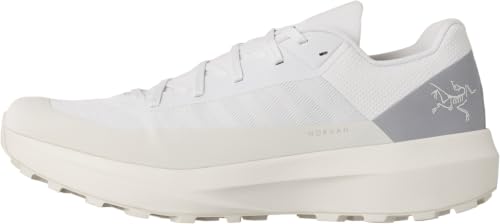
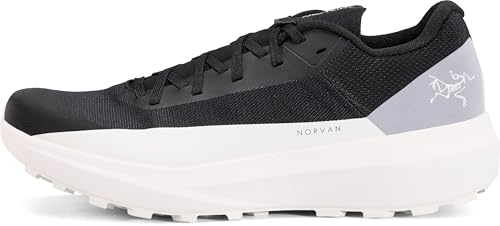


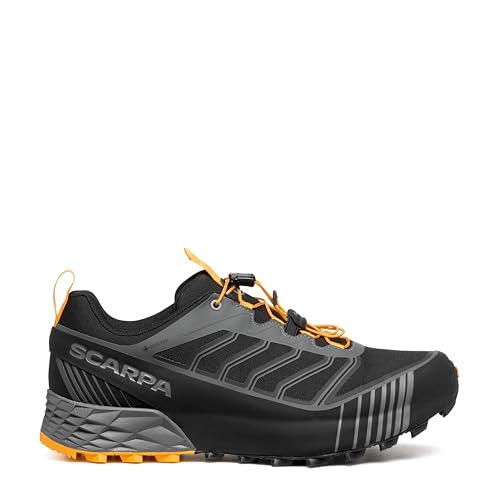
Your first trail shoe does not need to be extreme
Trail footwear is full of dramatic features: deep lugs, carbon plates, towering foam, waterproof membranes and minimalist soles. A new trail runner rarely needs all of them. The most useful first pair is predictable. It fits without rubbing, grips the local surface, protects the foot from ordinary roots and stones and feels natural enough that you can concentrate on pacing and footing. Buying for an imagined mountain race often leaves beginners with a specialist shoe that feels awkward on neighborhood paths. Begin with the routes available this month. If they combine sidewalks, park paths and packed dirt, consider a road-to-trail design. If they are rocky and uneven, add protection and a stable platform. If they become deep mud, traction moves higher on the list. Versatility is not boring; it gives you more chances to learn what you prefer.
Fit is the first feature to choose
A secure heel and midfoot keep the foot centered when the ground tilts. The toe box should let toes spread and stay clear of the front during a downhill stop. Do not buy a shoe that pinches because a review calls it the best, and do not accept heel slip simply because a brand is known for wide toe boxes. Try both feet with your normal running socks. Walk on an incline, turn sharply and rise onto your toes. Immediate numbness, rubbing or pressure is a reason to try another shape. Sizing labels vary by model, so compare the neighboring half size or width when uncertain. Beginners benefit from a familiar fit and heel-to-toe drop; changing footwear geometry while also adapting to uneven terrain can make it harder to understand where soreness comes from.
Match the outsole to your local ground
The small rubber projections under a trail shoe are lugs. Shallow, closely spaced lugs roll smoothly over gravel, hardpack and pavement. Deep, widely spaced lugs bite into mud and shed soft soil, but can feel clumsy on concrete and hard rock. Technical rocky trails also depend on the rubber compound and contact area, not merely lug depth. Look at the route after rain as well as in dry weather. A park trail that stays firm does not demand a fell-running outsole. A forest path that turns slick and muddy may. If your run starts at the front door, estimate how much pavement the shoe will cover. Frequent mixed use points toward moderate tread, while a dedicated soft-ground shoe makes sense when nearly every outing is loose or muddy.
Continue this topic: How to Choose Black Trail Running Shoes by Performance First.
Choose cushioning you can control
Cushioning protects the foot and changes how much of the trail you feel. More foam can be comfortable over distance, but a tall, soft platform may feel less precise on rocks or side slopes. Minimal cushioning offers ground feedback but asks more of feet and lower legs. Most beginners are well served by moderate cushioning or a stable higher-cushion model rather than either extreme. Pressing the foam with a thumb does not reveal how it runs. Notice whether the shoe feels steady when you stand on one foot, turn and step sideways. Stack height and heel-to-toe drop are separate. A zero-drop shoe can be highly cushioned, while a higher-drop shoe can sit close to the ground. Preserve a familiar drop at first unless you have a reason and a gradual transition plan.
Protection and stability should suit the trail
Trail shoes often use toe bumpers, reinforced uppers and underfoot protection. A rock plate spreads the pressure from sharp stones but can add stiffness and reduce ground feel. Smooth trails may need little of this; rocky routes justify more. Stability in trail shoes commonly comes from a broad base, controlled foam and secure upper rather than the corrective devices associated with some road shoes. A stable shoe should feel calm when you land slightly off-center, not rigid or intrusive. Beginners sometimes assume that more protection makes every run safer. Heavy, stiff shoes can instead feel tiring and reduce feedback. Choose enough structure for the obstacles you encounter. Good foot placement, sensible pace and gradual skill development remain more important than any protective label.
Waterproof or breathable for a first pair?
Waterproof trail shoes are useful in cold rain, shallow snow and wet grass when keeping splashes out and retaining warmth matters. They are not automatically best for every wet trail. Membranes reduce airflow, and water that enters over the collar can be slow to escape. In warm weather, a breathable mesh shoe often feels cooler and dries faster after a stream crossing. Think about temperature and depth, not simply whether the forecast includes rain. Beginners buying one year-round pair usually get broader use from a breathable shoe unless local conditions are consistently cold and wet. A waterproof version can also fit differently from the standard model, so try the exact upper. Socks and post-run drying habits influence comfort as much as the word waterproof.
A simple way to build your shortlist
Write down four facts: your usual running-shoe size and width, your most common terrain, the longest distance you expect in the next three months and whether runs include pavement. Use those facts to choose a category before choosing a brand. For example, a runner using two miles of road to reach smooth dirt needs a road-to-trail all-rounder. A runner starting on rooty woodland paths needs more grip and protection. Select three models in the category, then compare fit in person or through a seller with a practical return policy. Ignore tiny weight differences until fit and function are settled. A discounted prior version can be excellent value if sizes are available and the outsole suits your trail. Do not chase a bargain that forces a poor fit.
What to notice during the first few runs
Begin on a familiar, nontechnical route and keep the outing short enough that you can focus on the shoe. Notice heel movement, toe contact on descents, pressure from the laces and whether the outsole feels predictable when turning. Some muscular adjustment to uneven terrain is expected, but sharp pain, numbness, persistent rubbing or altered gait are not break-in goals. Increase technicality and distance gradually. Clean mud with a soft brush and allow the shoes to air-dry away from direct heat. Keep a short note after each run; within a few outings you will learn whether you prefer more ground feel, cushioning, width or traction. That knowledge makes the second pair far easier to choose and prevents collecting shoes that solve problems you never had.
People also ask
Questions that extend this decision
Do beginners really need trail running shoes?
Road shoes can handle smooth, dry park paths, but trail shoes become worthwhile as surfaces grow loose, muddy, rocky or steep. Their traction, protection and secure uppers improve confidence. A road-to-trail shoe is a sensible bridge for mixed routes.
Are zero-drop trail shoes good for beginners?
They can be, but a sudden change from higher-drop shoes may load the feet, calves and Achilles differently. Beginners who choose zero drop should start with short sessions and increase gradually rather than making every run in the new geometry.
How much should a first pair of trail shoes cost?
Price matters less than fit and suitability. Midrange shoes and discounted prior-year models often provide excellent traction and durability. Compare the cost with outsole quality, upper construction and expected use instead of assuming the most expensive model is safest.
Should beginner trail shoes be waterproof?
Usually only when local runs are frequently cold, wet or snowy. Breathable shoes are more versatile in mild weather and drain faster when water enters. Waterproof models are useful specialists, not an automatic upgrade for a first pair.
Can I use my beginner trail shoes for hiking?
Yes, many versatile trail shoes work well for day hikes and fast, light outings. For heavy packs, deep snow or very rough terrain, a hiking shoe or boot may offer greater durability, protection and support.