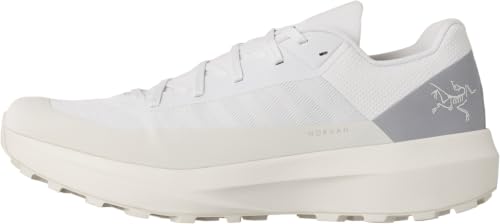
Arc'teryx · Exact Amazon product
Product-first buyer collection
Protective, secure models for uneven rock and technical footing.
Read the supporting guides ↓As an Amazon Associate, we may earn from qualifying purchases.
Arc'teryx · Exact Amazon product
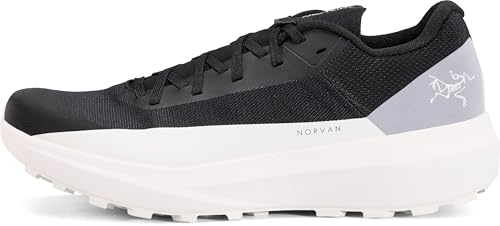
Arc'teryx · Exact Amazon product

Topo Athletic · Exact Amazon product
 View on Amazon
 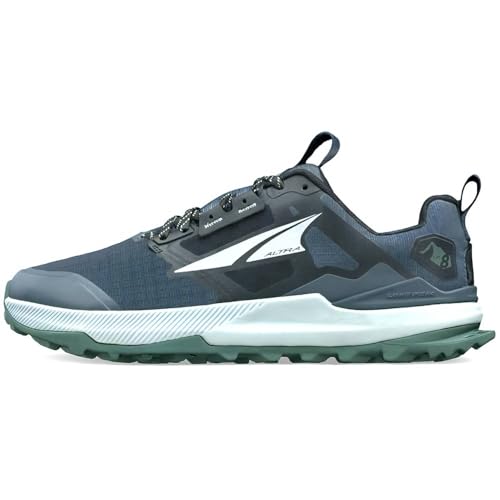 View on Amazon
  View on Amazon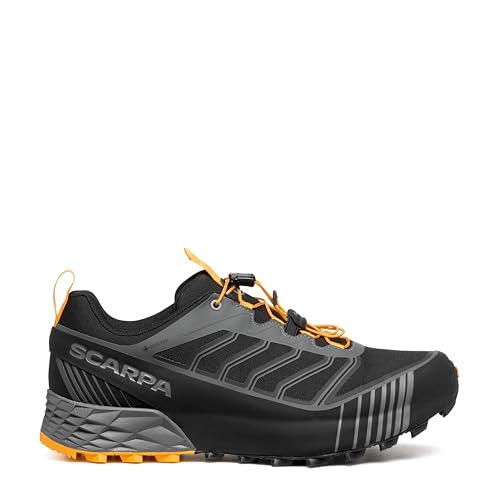
Scarpa · Exact Amazon product

Topo Athletic · Exact Amazon product
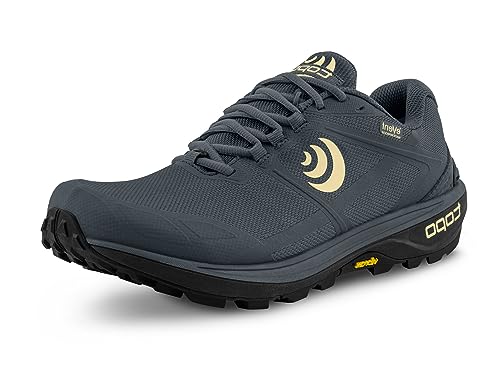
Topo Athletic · Exact Amazon product
 View on Amazon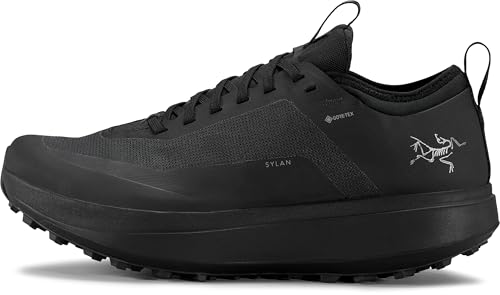
Arc'teryx · Exact Amazon product
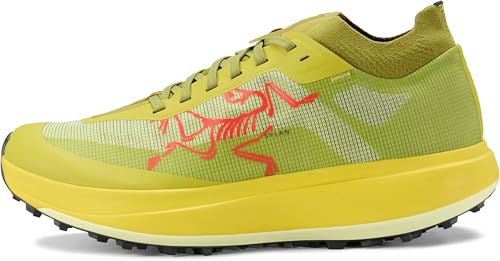
Arc'teryx · Exact Amazon product
Decision checkpoint
Loose sharp rock raises questions about underfoot protection and toe coverage. Smooth wet slabs put more emphasis on rubber grip and careful foot placement. Both are rocky terrain, but they do not demand exactly the same shoe.
Check that the foot stays centered on off-camber ground. A roomy upper can become a liability if it allows sliding inside the shoe, while a very close fit can create pressure over longer outings. Use the Bushido comparison and rock-plate guide to weigh precise control against the amount of cushioning and protection you prefer.
Topical support
Rocky-trail footwear must do four jobs together: adhere to hard surfaces, stay controlled on angled landings, shield the foot from concentrated pressure, and prevent sliding inside the upper. Smooth slabs favor broad rubber contact and a compound that grips stone. Scree and broken rock add the need for defined edges and a stable perimeter. A plate can reduce sharp pressure, but firm foam may provide enough protection for some runners. Secure midfoot and heel fit is essential on descents, with room ahead of the toes for swelling. Test the shoe on the type of rock you run because loose rubble, dry granite, wet limestone, and embedded points produce very different demands.
paaBegin with the routes that will account for most of the shoe's mileage, not the adventure you might attempt once. Smooth dirt, gravel, and paved connectors favor shallow or moderate tread. Rocky singletrack benefits from secure fit, durable rubber, and underfoot protection. Mud and soft soil call for deeper, widely spaced lugs. Wet slabs place more emphasis on sticky rubber than dramatic tread depth.
paaHeel-to-toe drop is the difference in height between the heel and forefoot inside a shoe. A 6 mm shoe places the heel about 6 mm higher than the forefoot; it may still be highly cushioned or relatively low to the ground. The most useful starting point is the drop you already run in comfortably, followed by a gradual comparison if you want something different.