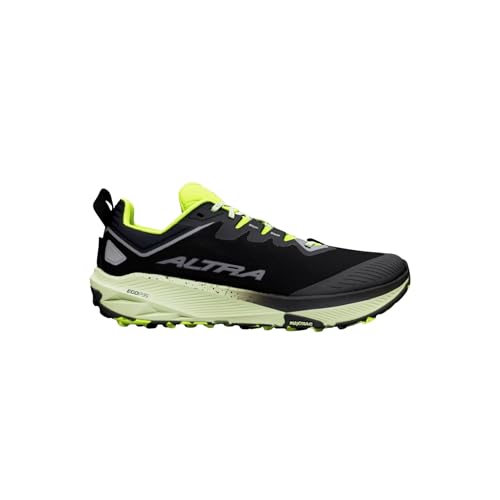
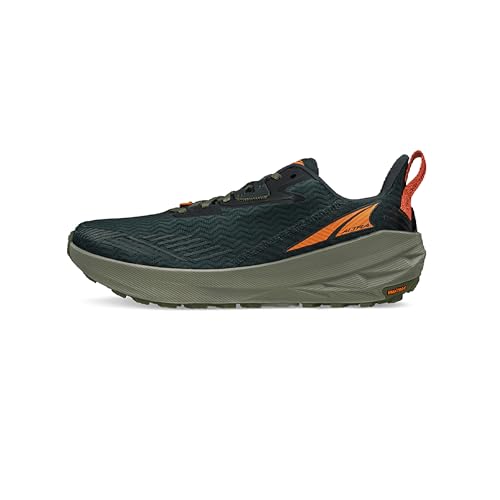

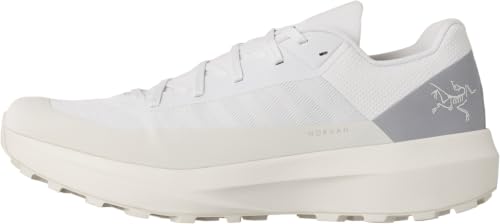
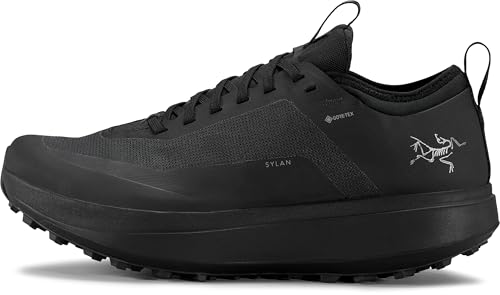

Give the shoe one primary job
The phrase trail running covers park loops, gravel roads, muddy fields, desert rock, alpine singletrack, and races that last through the night. No outsole or midsole is equally good at every version. Before comparing brands, name the surface that occupies most of your weekly mileage and the longest outing planned in the near future. Add whether the run begins on pavement and whether wet conditions are common. That short description might be smooth road-to-trail, rocky long-distance, or soft winter mud. It immediately removes many unsuitable choices. A generalist is sensible when the routes vary mildly. A specialist is worthwhile when one condition repeatedly exposes a weakness, such as clogged lugs or insufficient rock protection. Buy for the pattern, not an exceptional trip.
Fit the moving foot rather than the standing foot
A comfortable standstill can conceal heel lift, lateral sliding, and downhill toe contact. Lace the shoe with even tension and walk until the upper warms. The heel should remain seated when you rise onto the forefoot. The midfoot should feel held without pressure across the top, while the toes should spread and stay behind the bumper during a braking motion. Men's models are not uniformly wide or high volume. Some have tapered forefeet; others pair broad toes with snug heels. If a unisex or converted women's size fits the foot better, the category name should not overrule the result. Select for the larger foot, and do not expect a painful shape to improve through break-in. Trail precision comes from correct geometry, not painfully tight laces.
Read an outsole instead of counting lugs
Lug depth matters, but spacing, orientation, rubber, and contact area matter too. Closely spaced shallow tread can roll smoothly over packed dirt and paved connectors. Deep, open patterns are designed to enter soft ground and release it rather than carrying a slab of mud. Rocky routes often reward sticky rubber and stable contact more than towering lugs, which may squirm on hard surfaces. Heel lugs assist braking; forefoot shapes influence climbing and toe-off. Inspect how much rubber covers the foam because exposed areas can affect durability on abrasive ground. There is no universal tread score. Ask whether the pattern suits your route in its least forgiving normal condition, then accept that a shoe optimized for mud may feel awkward on asphalt.
Continue this topic: Altra Lone Peak 9 Men's Review: Roomy, Level and Ready for Mixed Trails.
Separate cushioning, stack, and drop
These specifications describe different things. Cushioning concerns the underfoot materials and sensation. Stack is the amount beneath the foot. Drop is the difference between heel and forefoot height. A zero-drop shoe can be heavily cushioned, and a high-drop model can sit relatively close to the ground. More stack may soften repeated impacts, but platform width and foam control determine how confident it feels off-center. Lower shoes often provide clearer surface feedback, although sharp terrain may demand extra protection. Start from the geometry of a road or trail shoe you already use comfortably. If you change drop substantially, introduce the new pair through short, easy outings. Avoid changing drop, stack, firmness, and terrain exposure simultaneously; too many variables make the body's response difficult to interpret.
Choose protection for the consequences of a miss
Toe bumpers, reinforced sidewalls, dense foams, and rock plates shield the foot, but they can add weight or stiffness. On smooth forest paths, extensive armor may be unnecessary. On sharp rock, scree, and root webs, a protective forefoot can reduce the distraction of repeated point pressure. A rock plate spreads force but may mute flexibility and ground feel. Upper structure also protects indirectly by keeping the foot centered during a glancing landing. Consider how tired your feet become late in a run and how often your local terrain delivers direct hits. The goal is not maximal protection; it is enough to preserve confident movement without turning an ordinary route into a battle with a rigid shoe.
Know when waterproofing earns its tradeoffs
Waterproof models make the strongest case in cold damp grass, shallow snow, slush, and brief puddle exposure below the collar. Their reduced airflow can also retain useful warmth. In mild rain or deep crossings, a breathable upper may be preferable because it releases heat and lets water escape faster. A low shoe cannot stop water poured through its opening, regardless of membrane. Waterproof construction may change the fit, flex, and price of a model, so evaluate the exact version rather than borrowing conclusions from its mesh sibling. For a one-pair setup in a moderate climate, breathability generally covers more days. In a true wet winter, a seasonal membrane shoe can be a sensible second tool.
Compare candidates with a repeatable scorecard
For each shoe, write a brief line for heel hold, toe room, platform control, grip for the target surface, underfoot protection, and mixed-surface comfort. Eliminate any pair that fails fit before debating weight or color. Then rank the remaining candidates by the primary job you defined. A smooth all-rounder should not lose merely because a mud specialist has deeper lugs. Check the exact model edition because familiar names can carry substantial updates. If possible, wear the finalists back to back on the same incline or store surface. Memory is unreliable when comparisons are separated by days. A basic scorecard turns an overwhelming product wall into a decision and makes the reason for the choice easy to remember.
Final Verdict
The right men's trail running shoe is the one that performs a clearly defined job while fitting well through movement. Establish the regular terrain, secure the heel and midfoot, protect the toes, then compare outsole, cushioning, and protection in that order. Resist the urge to buy the most technical-looking model when the weekly route is gentle, or the softest model when lateral control is the real need. Men's sizing is a useful catalog filter, not a command about which last belongs on your foot. Once a pair passes the slope test and suits the route, smaller specification differences become secondary. A deliberate generalist is often the best first answer; specialization can follow experience.
People also ask
Questions that extend this decision
How should men's trail running shoes fit?
They should hold the heel and midfoot securely while leaving the forefoot comfortable and clear of the front on descents. The foot should not slide laterally, and no lace tension should create numbness or concentrated pressure.
Can men use women's or unisex trail shoes?
Yes. After correct size conversion, the deciding factor is shape. A lower-volume or narrower last may fit some men well and constrain others. Test both feet on an incline and confirm the platform supports the whole forefoot.
Are expensive trail running shoes always better?
No. Premium materials can improve weight, foam response, or outsole construction, but they cannot rescue a poor fit or mismatched tread. A discounted previous version may be excellent if its identity, condition, and size availability are clear.
What lug depth is best for an everyday trail shoe?
There is no single depth. Moderate tread usually works for hardpack and mixed routes, while soft mud needs deeper open spacing. Rubber behavior and the amount of pavement in the route can matter as much as the millimeter figure.
How many pairs of trail shoes does a runner need?
One versatile pair is enough for many runners. A second shoe becomes useful when conditions diverge sharply, such as summer hardpack versus winter mud, or when rotation helps pairs dry between frequent outings.