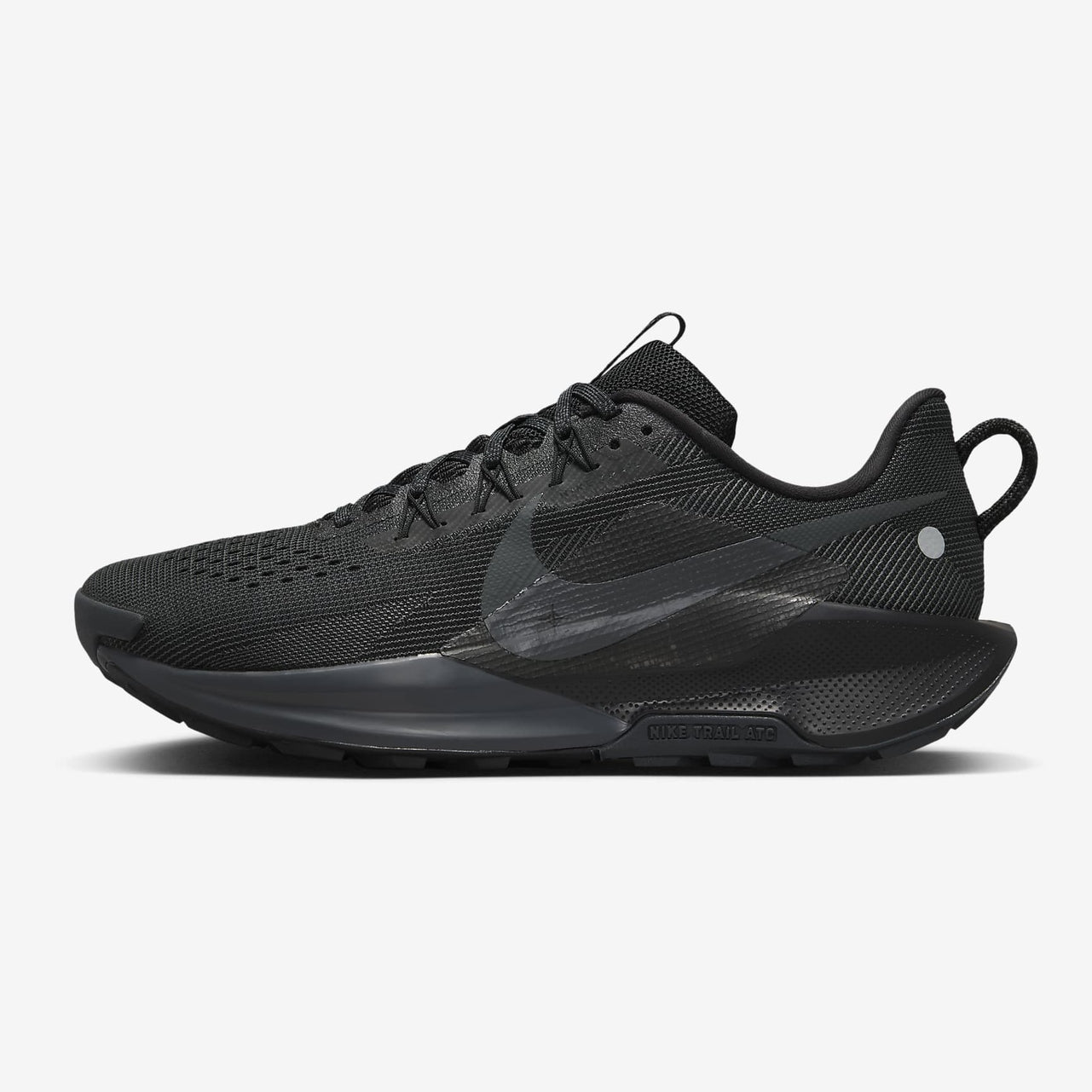

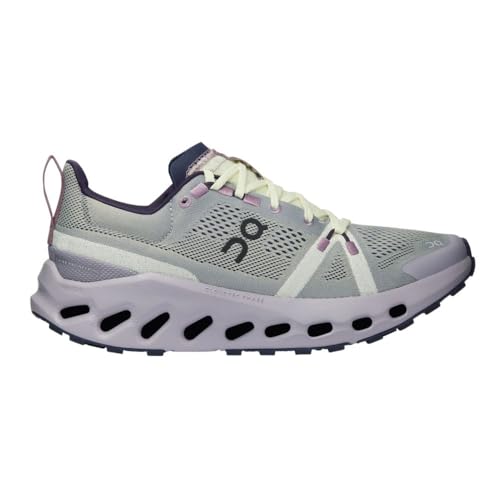
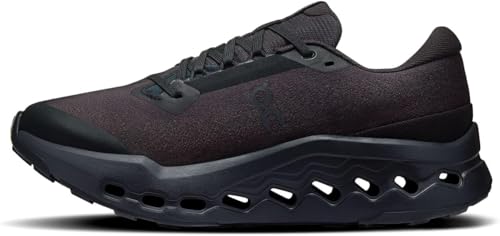


Calculate the route, not the marketing category
A run with two paved miles and one park loop needs a different compromise than ten trail miles reached by a short sidewalk. Estimate the percentage of hard surface, but also identify the trail's hardest normal feature. Dry gravel is forgiving; wet roots and steep loose turns can expose a mild outsole quickly. Road-to-trail labels vary widely. Some models are road shoes with extra rubber, while others are trail shoes with trimmed lugs. A useful shortlist begins with your route map: pavement distance, surface texture, elevation, and wet-weather frequency. The category succeeds when it removes the need to change shoes between segments without making either half unpleasant or insecure. It is not intended to replace every specialist.
Favor tread that stays calm on asphalt
Tall, widely spaced mud lugs can feel harsh, noisy, or unstable on pavement. A hybrid outsole normally uses lower projections and enough continuous contact for a smooth landing. That does not mean a flat sole. Small directional lugs can add bite on loose gravel, packed dirt, and mild climbs. Check the heel for braking coverage and the forefoot for rubber where you push off. Exposed midsole foam may save weight but can wear more quickly on rough pavement and stone. Rubber compound matters as much as pattern: a durable road contact area may behave differently from sticky technical rubber. The right tread disappears on the road yet remains noticeable when the path loosens.
Keep the road ride without losing trail control
Road comfort comes from more than soft foam. Heel bevel, rocker, forefoot flex, and outsole geometry affect how smoothly the shoe transitions over flat ground. Trail control depends on a secure upper, stable base, and predictable response when the landing is angled. A very soft road-style midsole can feel pleasant for straight miles and vague on a cambered path. Conversely, a stiff protective trail chassis may feel tiring on repeated pavement. Test candidates by jogging straight, turning sharply, and stepping onto an edge. Look for controlled cushioning rather than maximum softness. A moderate platform that handles both movements confidently is often more versatile than a spectacular ride on one surface and a compromised ride on the other.
Continue this topic: New Balance Trail Running Shoes: Cushion, Width, and the Right Off-Road Model.
Fit must survive both repetition and direction changes
Pavement delivers repeated forward motion, while trails introduce lateral loads. The heel should not lift during toe-off, and the midfoot should prevent the foot sliding over the sole on turns. Toes need enough room for swelling and downhill clearance without an oversized forefoot that rubs through thousands of road steps. Try the shoe with normal socks and test an incline. If the upper is soft and road-like, make sure it has enough structure for the uneven portion. If it is trail-armored, check for pressure during the repetitive flex of road running. A hybrid fit should remain comfortable in a straight line and precise when the route suddenly stops being straight.
Know the terrain ceiling
A road-to-trail shoe usually reaches its limit in deep mud, highly technical rock, steep fell terrain, hard ice, or routes where repeated sharp impacts demand more protection. The exact ceiling varies, but mild lugs cannot create the same penetration as an open soft-ground pattern. Flexible uppers may not hold the foot as precisely on aggressive traverses. Limited toe guards and rock protection can become noticeable after hours of rough ground. This is not a design failure; it is the price of pavement manners. Be honest about the most consequential section of the route. A short technical patch can be walked carefully, while an entire wet mountain descent justifies a more specialized choice even if the first mile is road.
Use durability in the correct context
Road miles can smooth small trail lugs, while abrasive gravel can chew exposed foam. Inspect outsole placement rather than assuming a hybrid automatically lasts longer. A full rubber layer may add weight but can protect the areas that repeatedly meet pavement. Softer sticky rubber may grip well off-road and wear sooner on hard surfaces. Rotation can help if one pair is constantly soaked or muddy, allowing it to dry between outings. Track visible wear and changes in ride rather than relying solely on a universal mileage number. When the tread no longer grips the trail portion reliably, the shoe may still serve for casual use, but its original mixed-surface job has changed.
Choose among three hybrid personalities
Road-leaning hybrids suit runners who spend most of the route on pavement and visit smooth paths. Balanced hybrids divide attention between road feel and moderate trail security. Trail-leaning hybrids tolerate longer dirt sections and rougher surfaces but may feel firmer or less fluid on asphalt. Place each candidate in one of these groups using its lug profile, upper structure, protection, and ride. Then choose the personality that matches the route percentage and hardest feature. This is more informative than comparing every road-to-trail shoe in one ranking. The best model for a city greenway runner should not win the same test as a mountain runner with a paved approach.
Final Verdict
Road-to-trail running shoes are ideal when the transition between surfaces is the problem you need to solve. Choose a low or moderate tread that remains smooth on pavement, a controlled midsole, and an upper secure enough for ordinary uneven ground. Define the terrain ceiling before buying; hybrid convenience should not tempt you onto sustained mud or technical rock without appropriate grip and protection. Road-leaning, balanced, and trail-leaning models serve different routes, so the best choice follows your mileage split rather than a universal podium. When the compromise is well matched, the shoe feels unremarkable on the connector and trustworthy on the path—which is exactly the point.
People also ask
Questions that extend this decision
Can trail running shoes be used on the road?
Yes, but aggressive lugs can feel awkward and may wear faster on pavement. A road-to-trail model uses a smoother outsole and transition for frequent mixed routes while retaining more grip than a typical road shoe.
Can road shoes handle light trails?
They can work on smooth, dry, predictable paths. Loose gravel, mud, wet roots, and steep sections increase the value of trail-specific tread, protection, and upper hold. Conditions matter more than the trail label.
Are road-to-trail shoes good for hiking?
They can suit light day hikes on maintained paths, especially when pavement is involved. For heavy packs, rugged rock, deep mud, or severe weather, dedicated hiking or trail footwear may provide better protection and durability.
What lug depth is best for road-to-trail running?
No single depth fits every hybrid route. Lower lugs generally feel smoother on asphalt, while moderate tread adds confidence on loose dirt. Spacing, rubber, and trail conditions must be considered with the measurement.
Do road-to-trail shoes last longer than trail shoes?
Not automatically. Durability depends on rubber coverage, compound, exposed foam, surfaces, and running mechanics. Pavement can wear small lugs, while rugged trail can damage uppers and midsoles in different ways.