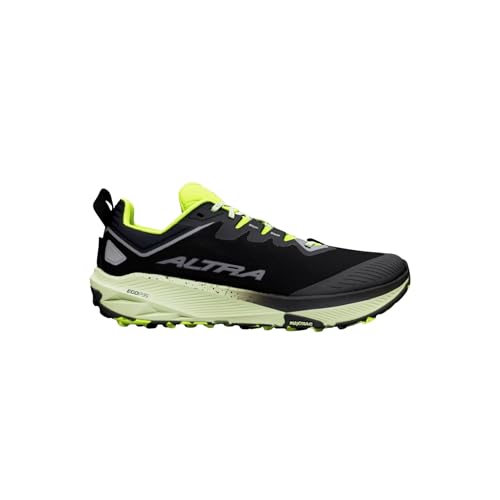
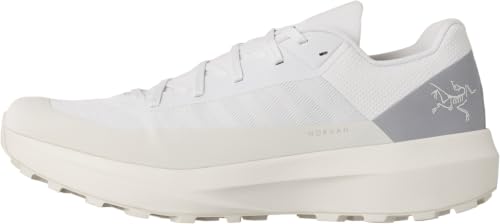
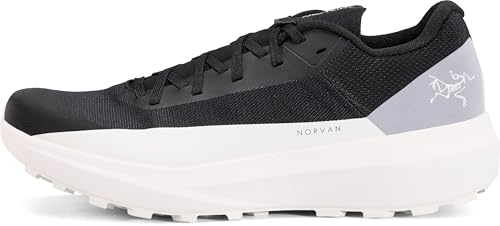


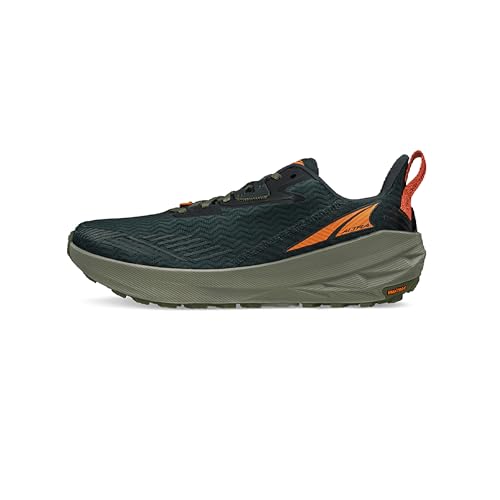
Replace the universal winner with a clear scenario
Best lists are useful only when the test resembles the reader's run. A mud specialist, road-to-trail hybrid, and high-cushion ultra shoe solve different problems. Begin by writing one scenario: typical surface, longest usual distance, weather pattern, and the fit issue that ends past shoes. That sentence turns a broad ranking into a relevant shortlist. If the route varies, identify the most consequential normal section rather than a rare adventure. A dry park runner should not sacrifice pavement comfort for extreme lugs; a steep wet-trail runner should not prioritize a smooth road ride. The best label becomes meaningful when attached to a job.
Let terrain eliminate the wrong outsoles
Hardpack and gravel suit shallow to moderate tread. Mud rewards deeper open lugs. Rocky technical trails depend on rubber, stable contact, precise hold, and protection. Mixed pavement routes favor a smoother transition and durable coverage. Snow can benefit from depth, while hard ice may require studs or a traction device beyond ordinary shoes. Outsole selection should happen before debating small weight or foam differences. Check the route after rain and during its common season. A shoe that grips the hardest regular condition gives the rest of the design a chance to matter. One that does not is eliminated regardless of its award history.
Make fit a pass-or-fail gate
The heel should remain seated, the midfoot should hold without pressure, and toes should avoid the front on descents. Side steps should not move the foot over the platform. Wide labels, anatomical toes, and size increases solve different problems, so locate the pressure instead of ordering more space everywhere. Test both feet with trail socks and any insole you actually use. If a celebrated shoe rubs immediately or needs painful lacing, remove it from contention. Comfort may evolve slightly as materials soften, but a fundamentally wrong last rarely becomes right. The best-performing outsole is useless when the foot cannot control it.
Continue this topic: When Does a Lightweight Trail Shoe Help—and What Does It Give Up?.
Choose a ride for distance and precision
More cushioning can soften long hard miles, while lower platforms may communicate terrain more clearly. Neither is automatically better or safer. Evaluate foam control, base width, rocker, flexibility, and the way the foot sits within sidewalls. A high stack can be stable when broad and structured. A low shoe can still feel harsh or rigid. Use distance as a prompt: does underfoot fatigue or technical hesitation matter more on your route? Preserve a familiar heel-to-toe drop unless you intend a gradual change. The best ride lets the runner maintain comfortable, deliberate movement without drawing constant attention to softness or ground impact.
Add protection only where consequences justify it
Rock plates, toe guards, reinforced uppers, and dense outsole coverage protect against sharp terrain and debris. They may also add stiffness, warmth, or weight. Smooth trails need less armor than scree and repeated angular rock. Waterproof membranes help mainly in cold shallow moisture and can feel hot in mild conditions. Specialist features are valuable when they answer a repeated problem, not when they merely make the specification list longer. Rank candidates by the terrain and fit gates first, then decide whether additional protection earns its tradeoff. A lighter simpler shoe can be the superior tool when the route is forgiving.
Compare exact versions, not family reputations
Model names often persist while uppers, foam, geometry, and outsoles change. A review of an older edition may describe a fit or ride that no longer exists. Verify the exact version, available widths, and intended surface. Previous versions can offer strong value, but only when the identity and inventory are clear. Brand reputation is similarly broad: a company known for wide shoes may use different lasts across its lineup. Create a scorecard for exact fit, terrain grip, ride, protection, and mixed-surface needs. Back-to-back comparisons reduce the influence of memory and marketing. Awards can begin research; they should not finish the purchase.
Know when one pair is not the answer
Many runners need only one versatile trail shoe. A rotation becomes useful when the environment divides sharply, such as dry summer hardpack and winter mud, or daily mixed routes and technical race days. Multiple pairs can also dry between frequent outings. Do not build a collection merely to cover every product category. Add a specialist after repeated runs reveal a consistent limitation that another design can solve. This approach keeps the first choice practical and makes the reason for a second pair clear. The best shoe cabinet is not the largest; it is the smallest set that covers actual terrain without forcing harmful compromises.
Final Verdict
There is no context-free best trail running shoe. Define the route, eliminate unsuitable outsoles, and require fit to pass before comparing cushioning or special features. Use distance, protection, and weather to refine the remaining candidates, then verify the exact version. A generalist deserves the first spot for varied ordinary trails, while specialists earn a place only through a recurring need. This decision process may produce a different winner for mud, wide feet, road connectors, or ultradistance—and that is a strength. The best recommendation explains whom the shoe serves, where it works, and which tradeoffs the buyer accepts.
People also ask
Questions that extend this decision
What is the best all-around trail running shoe?
A secure-fitting model with moderate tread and controlled cushioning is the usual all-around profile, but the winner depends on local surface and foot shape. Deep mud and technical mountains may require more specialized designs.
Which trail shoes have the best grip?
Grip is surface-specific. Deep spaced lugs excel in mud, while wet rock depends more on rubber and contact. No outsole is best across pavement, ice, soft soil, and hard stone.
Are more expensive trail shoes better?
Higher prices may buy lighter materials, specialized foams, or premium outsoles, but cannot guarantee fit or suitability. Exact identity, terrain match, and construction matter more than the price tier alone.
Should beginners buy the top-rated trail shoe?
Only if it suits their routes and fits well. Beginners usually benefit from a predictable versatile model rather than an extreme race, mud, zero-drop, or maximum-stack shoe chosen solely from a ranking.
How often should best-shoe recommendations be updated?
Whenever meaningful model revisions or availability changes occur. Fit, foam, tread, and width can change under a familiar name, so exact versions and live inventory should be checked regularly.