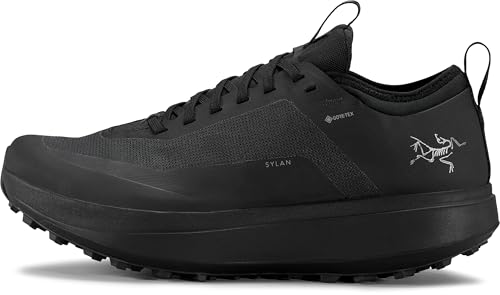
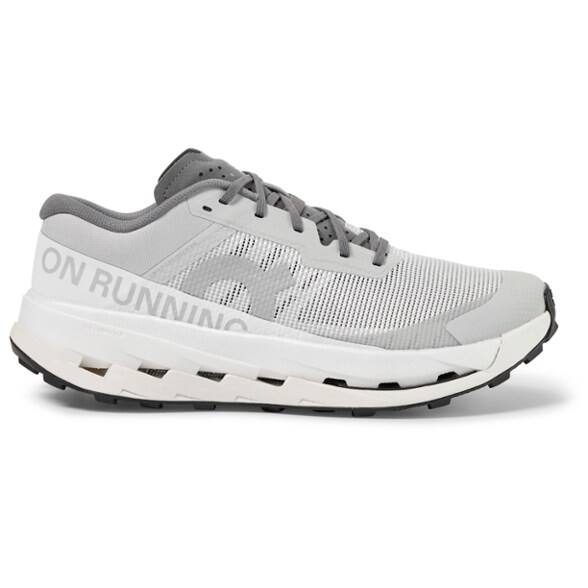
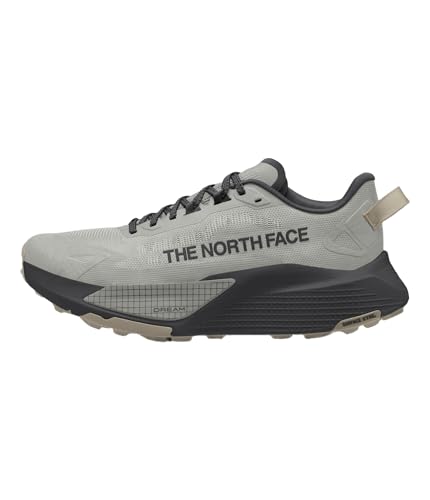
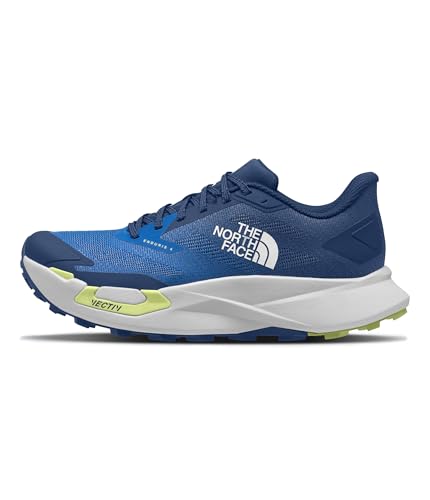


Reading On beyond the visible cushioning
On is visually associated with hollow cushioning elements, but the trail shoes differ in more consequential ways: outsole coverage, lug shape, platform width, rocker, upper hold, and intended surface. The brand's road heritage appears in smooth transitions and shaped rides, while its trail work adds rubber and control for uneven ground.
Do not choose among them by appearance alone. A flowing ride for gravel can become uncertain in mud, and a protective mountain design can feel excessive on a dry urban park loop. Begin by separating light mixed-surface running from sustained trail use. Then decide whether the day calls for nimble turnover, long-distance support, or stronger protection. That sequence makes the range much less mysterious.
Cloudvista for door-to-trail versatility
Cloudvista occupies the approachable mixed-surface role. It suits runners whose route begins on sidewalk, crosses gravel, and reaches dry, moderate singletrack without becoming deeply technical. A less aggressive trail personality makes transitions feel natural and keeps the shoe relevant to everyday outings.
Its compromise is traction at the extremes. Shallow or closely arranged tread cannot behave like open mud lugs, and a hybrid focus may offer less rock protection than a mountain specialist. Check the outsole against the wet version of the normal route. If rain turns local dirt into slick clay, a stronger trail design may be wiser. If surfaces remain firm and varied, Cloudvista's ability to move between them becomes the point rather than a limitation.
Cloudsurfer Trail for smooth and rolling ground
Cloudsurfer Trail is aimed at the runner who wants a fluid, cushioned sensation on nontechnical paths. It belongs on groomed trail, dry woodland loops, and gravel where rhythm matters more than armored protection. The family translates an easy rolling character into an off-road setting without pretending every trail is a mountain scramble.
Softness must still be evaluated laterally. Stand on one foot, shift weight toward each edge, and notice whether the platform settles calmly. Runners who enjoy compliant cushioning may appreciate the sensation; those who want to read every rock may prefer a firmer alternative. It is a specialist in smoothness, not in mud penetration or sharp-rock defense, and it should be judged against that intended job.
Continue this topic: How to Choose Road-to-Trail Shoes for Gravel and Mixed Surfaces.
Cloudultra for sustained trail distance
Cloudultra moves toward long outings, where hold, cushioning, and protection must remain useful after fatigue. It makes sense for ultra-style training, long trail days, and mixed mountain routes that are runnable enough to reward a guided transition. Compared with lighter hybrid options, the concept places more emphasis on keeping the foot composed over time.
Distance fit is decisive. Leave room for swelling around the toes while preserving heel and midfoot control. Walk down a ramp after several minutes in the shoe, not immediately after putting it on. If the foot slides forward, extra length may worsen the problem. A long-distance shoe succeeds when comfort and control survive together; cushioning alone cannot compensate for movement inside the upper.
Cloudventure for protection and mountain terrain
Cloudventure addresses rougher ground with a more protective outlook. It is relevant when roots, rock, steep grades, and variable weather occupy much of the route. A stronger upper and trail-focused outsole can add confidence where a road-derived hybrid would demand constant care.
That capability creates weight, warmth, and stiffness tradeoffs. On mild paths, the added structure may feel unnecessary. On wet stone, inspect rubber contact as well as lug depth; teeth that bite soil do not automatically cling to rock. Cloudventure is best considered when difficult terrain recurs, not when one rocky corner interrupts an otherwise smooth run. Use the mountain tool because the mountain is present.
Fit, rocker, and the underfoot sensation
On's sculpted geometry can feel distinctive. Some runners experience a helpful forward transition; others notice pressure or a sensation that does not align with their stride. Neither reaction can be predicted from specifications. Jog, walk uphill, and descend while paying attention to where the foot wants to bend.
Small stones can occasionally interact with open sole spaces on some designs, so consider the gravel size and debris common locally. More important is whether the outsole contacts the ground consistently and whether the upper holds during a side step. The correct On trail shoe should feel coherent as a system. If cushioning, rocker, and tread seem to pull the foot in different directions, try another family rather than waiting for adaptation.
Choosing an On family by route
Select Cloudvista for frequent pavement links and moderate paths. Look at Cloudsurfer Trail for smooth terrain and a flowing cushioned ride. Move to Cloudultra when time on feet and sustained trail comfort dominate. Study Cloudventure when technical protection and mountain conditions are central.
Weather can move the answer. A dry gravel loop may welcome the lighter options, while the same route under winter saturation exposes traction limits. Fit can override the tidy categories as well: the theoretically ideal model is wrong if the heel lifts or the forefoot pinches. Use the route to create a shortlist, then let controlled movement choose among it. The result should feel predictable at walking pace as well as during a quick stride.
Final Verdict
On offers several clearly different interpretations of trail running rather than one off-road formula. Its strongest lane is the transition from road-like flow to moderate trail capability, but Cloudultra and Cloudventure extend the range toward distance and protection. The common thread is shaped movement, not identical terrain performance.
Runners who enjoy a guided, rolling sensation should find the lineup worth testing. Those seeking deep mud grip or very direct ground feel need to inspect individual outsoles carefully. Match Cloudvista, Cloudsurfer Trail, Cloudultra, or Cloudventure to the route's real demands, and insist that the distinctive geometry feels natural before taking it far from home.
People also ask
Questions that extend this decision
Which On shoe is best for running from road to trail?
Cloudvista is the natural starting point for paved approaches, gravel, and moderate dry paths. Cloudsurfer Trail may suit runners prioritizing a smoother cushioned sensation. If the trail becomes rocky, steep, or persistently wet, compare the more protective families instead.
Is Cloudultra only for ultramarathons?
No. Its distance-oriented support can suit long training runs and hikers who appreciate a structured trail shoe. Shorter outings are possible, but runners who value lightness and quick transitions may prefer another family when sustained comfort is unnecessary.
Can On trail soles collect stones?
Open spaces in sculpted soles can interact with certain gravel sizes, although experience varies by model and surface. Inspect the current outsole pattern and test on representative ground when possible. Consistent traction and comfortable contact matter more than the visual design.
How should an On trail shoe fit for descents?
The heel should remain seated, the midfoot should not slide across the platform, and the toes need clearance from the front. Reproduce downhill pressure on a ramp. Tightening the laces cannot rescue a shape that is too long, narrow, or high-volume.
Are On trail shoes suitable for wet rock?
Suitability depends on the exact rubber compound, contact area, and outsole layout. Deep-looking tread alone does not guarantee adhesion to stone. Slow down in wet conditions and select a model intended for rough terrain if slick rock is a regular feature.