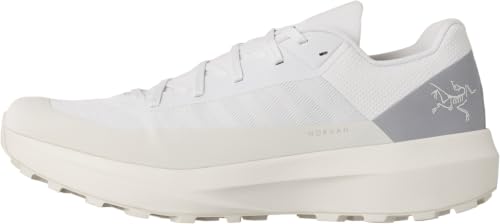
Arc'teryx · Exact Amazon product
Product-first buyer collection
Aggressive lugs and shedding space for soft, steep and sloppy ground.
Read the supporting guides ↓As an Amazon Associate, we may earn from qualifying purchases.
Arc'teryx · Exact Amazon product
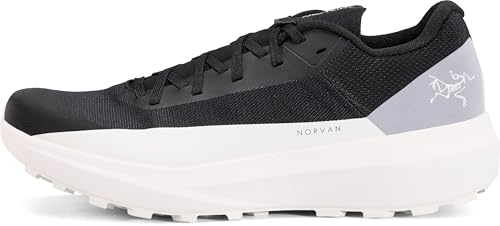
Arc'teryx · Exact Amazon product
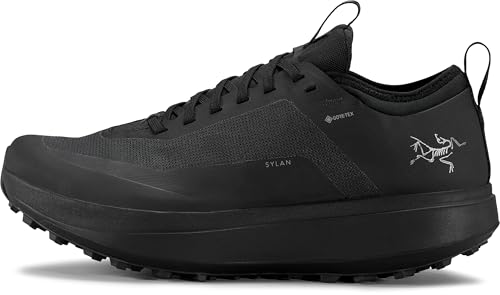
Arc'teryx · Exact Amazon product
 View on Amazon
New Balance · Exact Amazon product
 View on Amazon
  View on Amazon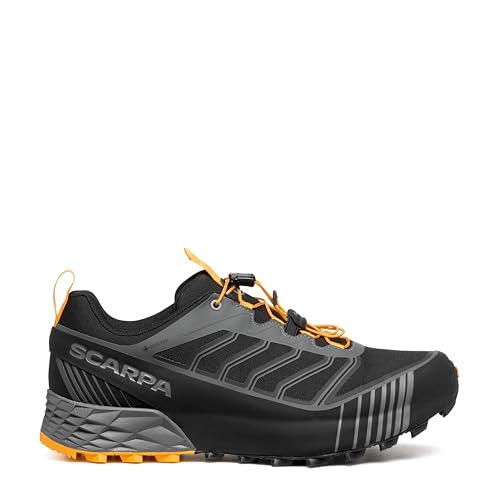
Scarpa · Exact Amazon product
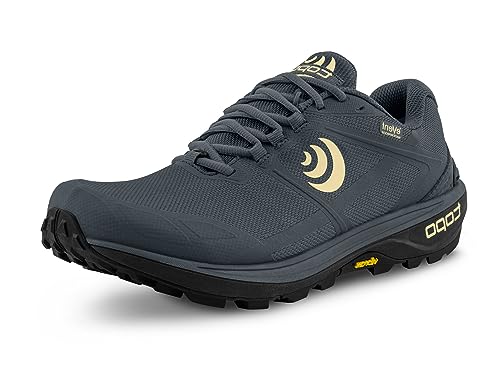
Topo Athletic · Exact Amazon product

adidas Terrex · Exact Amazon product

adidas Terrex · Exact Amazon product
 View on Amazon
 Decision checkpoint
Deep lugs need room to shed soft material; a tread packed with mud cannot work the same way as a clean outsole. Look at the terrain you encounter repeatedly rather than choosing the most aggressive-looking sole.
Mud-focused shoes can feel less natural on long paved approaches. If the wet section is brief and most of the outing is firm, a generalist may be more practical. Upper lockdown also matters on sloppy cambers. Compare the Speedcross and Cascadia discussion for a specialist-versus-generalist decision, then confirm the outsole on the exact version you are considering.
Topical support
Mud footwear needs to penetrate soft ground, clear soil before the next landing, and hold the foot while suction pulls at the outsole. Widely spaced directional lugs are usually more useful than a crowded pattern with similar depth. Secure heel and midfoot fit matter because internal sliding wastes energy on climbs and creates friction on descents. Choose a lower, controlled platform for steep cambers, then add cushioning only as distance and hard connectors require. Waterproofing helps in cold shallow water but may retain water after a deep crossing. The correct shoe depends on whether the route contains clay, bog, grass, forest loam, or mud layered over rock; those surfaces do not reward one universal tread.
paaBegin with the routes that will account for most of the shoe's mileage, not the adventure you might attempt once. Smooth dirt, gravel, and paved connectors favor shallow or moderate tread. Rocky singletrack benefits from secure fit, durable rubber, and underfoot protection. Mud and soft soil call for deeper, widely spaced lugs. Wet slabs place more emphasis on sticky rubber than dramatic tread depth.
paaHeel-to-toe drop is the difference in height between the heel and forefoot inside a shoe. A 6 mm shoe places the heel about 6 mm higher than the forefoot; it may still be highly cushioned or relatively low to the ground. The most useful starting point is the drop you already run in comfortably, followed by a gradual comparison if you want something different.